A pest control visit is a scheduled appointment where a licensed technician inspects your home inside and out, identifies the pest and the conditions drawing it in, applies targeted treatment, leaves a written report, and sets a follow-up schedule. Most first visits run 30 to 90 minutes depending on the size of the property and how much access you give the tech. Knowing what to expect during a pest control visit in advance lets you clear access, keep kids and pets safe, and tell a real treatment apart from a spray-and-run.
If you have an appointment coming up, read this once through and skim the checklist section before the tech knocks. I’ll walk the whole arc: what happens, how pests get identified, what treatments actually get used, and what your first 72 hours at home look like.
Table of Contents
- What to Expect During a Pest Control Visit: A Quick Guide
- How to Prepare Before the Technician Arrives
- What Happens During the Inspection
- How the Technician Identifies the Pest
- What Treatment Methods May Be Used
- What Safety Instructions You Should Listen For
- What Happens After Treatment
- How to Know If Follow-Up Is Needed
- Questions to Ask During the Visit
- Frequently Asked Questions
- Conclusion
What to Expect During a Pest Control Visit: A Quick Guide
Here is the short version. The technician arrives, asks a few questions about what you’ve seen and where, walks the exterior perimeter and roofline, checks outbuildings and the yard, then works indoors from the lowest point up to the attic. Along the way they look for physical evidence, identify the pest, and note the entry points and moisture problems that caused it. They talk you through the findings, write it up, apply treatment where it belongs, and tell you exactly when it’s safe to come back inside.
| Before the visit | During the visit | After the visit |
|---|---|---|
| Move pets and children out of the way | Exterior perimeter and roofline walkthrough | Wait out the re-entry interval on the label |
| Pull furniture 2 to 3 feet off the walls | Garage, shed, and yard check | Wash dishes, counters, and food-contact surfaces |
| Clear a path to the attic, crawl space, and garage | Interior inspection, lowest level to attic | Bathe pets and wash hands after any contact |
| Take photos of droppings, gnaw marks, and sightings | Pest identification and severity call | Sweep up dead insects as they appear |
| Note when and where you last saw activity | Findings discussion and written service report | Check monitoring traps in a week or two |
| Empty the dishwasher and trash | Targeted treatment, exclusion, bait placement | Note the follow-up date and repair list |
| Leave out any pest specimens in a sealed bag | Re-entry timing and safety instructions | Track activity with dates and locations |
That table is the whole visit on one screen. The rest of this guide fills in the details for each column, including the part homeowners find most confusing: which rooms actually get treated.
How to Prepare Before the Technician Arrives
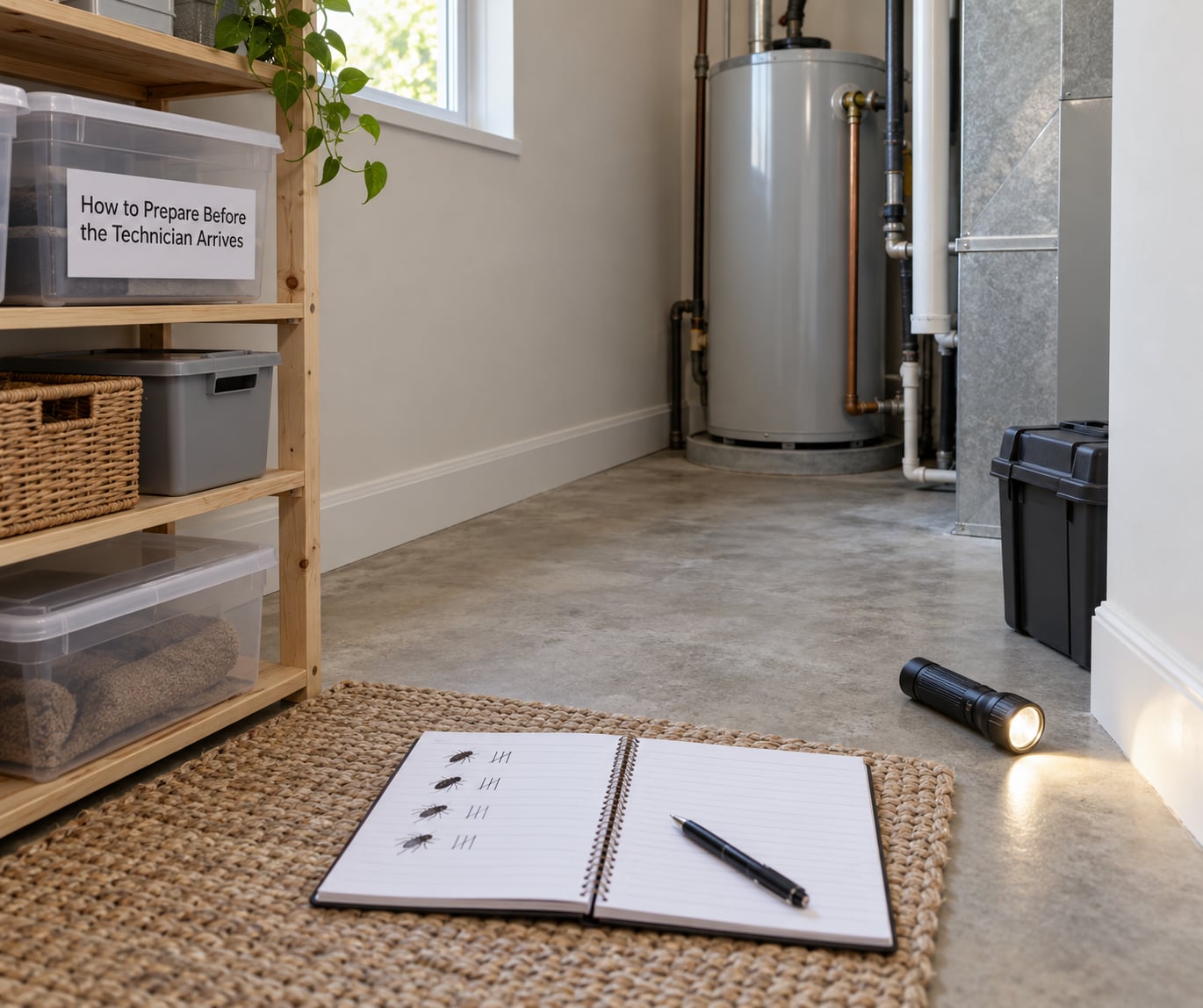
You do not need to deep-clean or empty the whole house. You need access, and you need about ten minutes of honest notes. A tech who has to move your refrigerator to look behind it is a tech who skips something else.
How to prepare for a pest control visit
- Separate pets and children. Put pets in a closed room away from the work area and plan to keep small children with you until the re-entry time passes.
- Move furniture away from baseboards. Two or three feet in the rooms you want inspected makes the difference between a real look and a glance.
- Clear access to the attic, crawl space, basement, and garage. Pull down stored boxes from the crawl space entrance if you can.
- Empty the dishwasher and trash, and wipe counters. Food residue attracts the pests you’re trying to lose and makes it harder to see fresh activity.
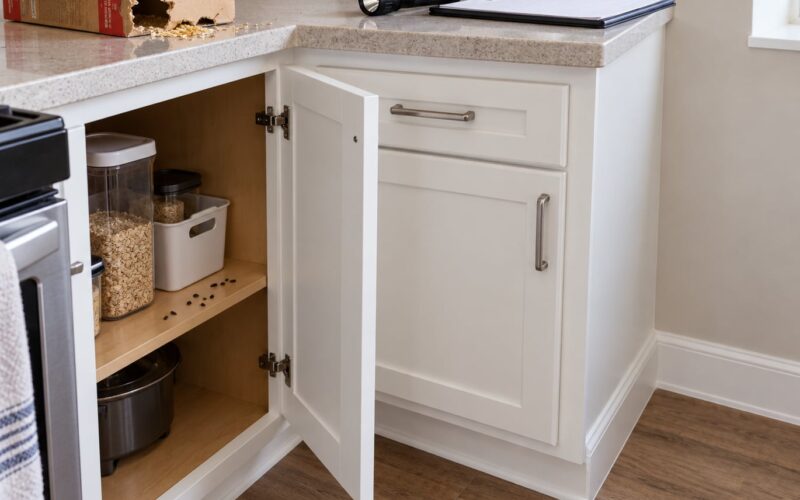
- Bag up evidence. Droppings, gnawed material, a dead insect, or an egg case go in a sealed bag or jar so the tech can examine them without guessing.
- Write down what you saw and when. Dates matter. Sightings from three weeks ago read very differently from activity last night.
- Note the water sources. Leaky pipes, a damp crawl space, a clogged gutter, a pet bowl that runs all day. Conducive conditions are usually half the problem.
- Leave the payment method and the phone number for the technician’s report.
Tell the technician about allergies, asthma, pregnancy, aquariums, beehives, or a fear of bees before anything is applied, not after. Anyone who sprays first and asks later is doing it backwards.
What Happens During the Inspection
Most techs work in a deliberate order, from the outside in and from low to high. Knowing the sequence means you can follow along instead of wondering what they skipped. On the r/pestcontrol side of the internet the most common complaint is not about the chemicals; it’s that nobody explained which areas were treated and which were skipped.
- Arrival and consultation. The tech asks what you’ve seen, where, and when. This steers the whole inspection, so answer plainly.
- Exterior perimeter. They walk the foundation line, look at entry points, gaps around utility penetrations, vents, screens, and the roofline, and note where water or vegetation is holding against the structure.
- Outbuildings and yard. Garage, shed, AC units, dog houses, bird feeders, and woodpiles. Rodent work often starts here.
- Interior, lowest point upward. Crawl space or basement first, then main living areas, then attic. Within each level they go kitchen, bathroom, laundry, utility closets, and anywhere warm or damp.
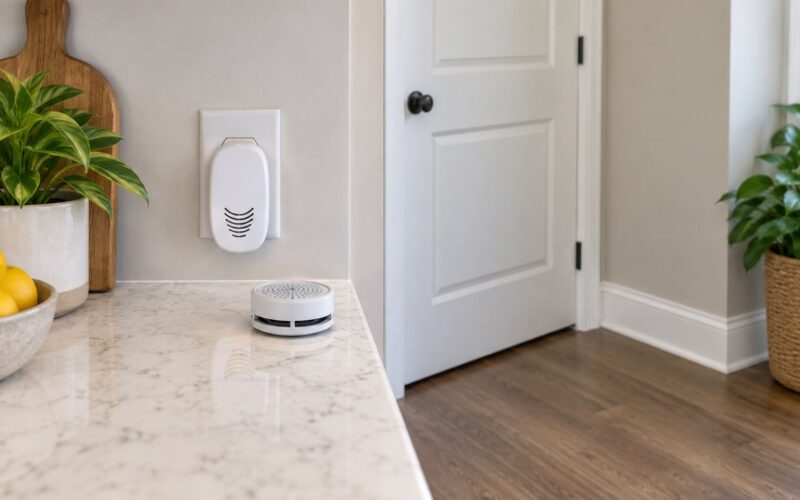
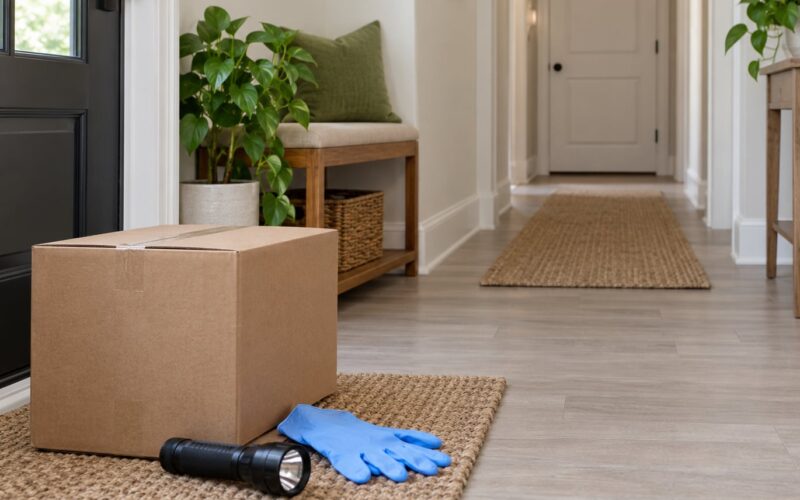
- Tools and detection. A flashlight and inspection mirror for voids, a moisture meter for damp wood and concrete, a magnifier for droppings and frass, and sometimes a thermal camera to find heat signatures behind walls. Pheromone or adhesive monitoring traps go down in active areas and stay behind as evidence.
- Pest identification. Specimen, droppings, damage pattern, location, and season combine into a call.
- Findings discussion. The tech explains what they found, how severe it is, and what caused it.
- Written report and treatment plan. Findings, photos, the recommended treatment, and the follow-up schedule, usually emailed or left at the door the same day.
- Treatment, cleanup, and follow-up booking. Application, removal of monitoring equipment if it’s no longer needed, and a date for the return visit if the plan calls for one.
If a tech applies product without inspecting first, without explaining it, and without leaving anything in writing, that’s worth raising before the next appointment. A report with dates, findings, and photos is the difference between a service you can evaluate and one you can’t.
How the Technician Identifies the Pest
Identification is evidence work, not a guess. Droppings size, shape, and texture; the material around them; where they appear; what got damaged; and what time of year it is all narrow it down fast.
| Pest | What the tech looks for | Where it usually turns up |
|---|---|---|
| Rodents (mice, rats) | Droppings, gnaw marks, rub marks along walls, nesting material | Attics, garages, basements, wall voids, under sinks |
| Termites | Frass, mud tubes, swollen floorboards, wings near windows | Moist soil contact, door frames, sill plates, crawl space |
| Cockroaches | Droppings like ground pepper, egg cases, shed skins, musty odor | Kitchen and bathroom, under appliances, warm rooms |
| Ants | Trail lines, satellite nests, workers crowding a food source | Cracks, baseboards, kitchen counters, window sills |
| Bed bugs | Blood spots on sheets, shed skins, fecal spotting, seams | Mattress seams, bed frames, baseboards, nearby furniture |
| Spiders | Webs with the owner still in them, egg sacs | Corners, closets, crawl spaces, sheds |
| Wasps and hornets | Active nest, flight pattern, paper envelope under eaves | Eaves, attics, wall voids, shrubs near the house |
| Mosquitoes | Breeding water, resting adults, activity at dusk | Standing water, clogged gutters, planters, birdbaths |
Location carries as much weight as the droppings. Mice droppings behind a wall in an attic mean a roof gap; the same droppings in a kitchen cabinet mean something else entirely. Ask what the evidence suggests and why, and a good tech will tell you.
What Treatment Methods May Be Used
Integrated pest management means treatment follows the pest, the severity, and the layout. Blanket spraying every wall is one option and often the least useful one. These are the tools a tech might reach for:
- Exclusion. Sealing gaps, screens, vents, and utility penetrations so the pest cannot come back. Often the only permanent fix.
- Sanitation and harborage removal. Cleaning up the food, water, clutter, and entry shelter that made the home attractive in the first place.
- Baiting. Stations or gel bait in cracks and voids, letting the colony feed and carry it back to the nest.
- Residual pesticide. A longer-lasting spray or dust that stays active on treated surfaces after the visit.
- Non-residual application. A fast knockdown with little or no lasting effect, usually paired with exclusion work.
- Dusts and granulars. Applied into wall voids and crawl spaces where sprays can’t reach.
- Growth regulators. Compounds that affect immature stages rather than adults, common for indoor ants and roaches.
- Heat treatment. Whole-room or whole-home heat to kill bed bugs and their eggs, usually in a single longer visit.
- Follow-up service. A return visit to check results and reapply where the first pass was incomplete.
If you’re told a treatment is happening but not why that method suits your situation, ask. The explanation is part of the service.
What Safety Instructions You Should Listen For
Every treatment comes with a re-entry interval printed on the product label, and the technician should tell you that number out loud before they leave. “A few hours” is not an answer. Ask for a specific time.
| Treatment type | Typical re-entry | Notes |
|---|---|---|
| Targeted spot spray, gel bait | 2 to 4 hours, or per label | Most common for ants, roaches, generalists |
| Residual spray, dusts | 4 to 6 hours or overnight | Dry time matters, ventilate per label |
| Fogger or fumigation | Same day, often 4 to 6 hours | Everyone, pets, and food out first |
| Bed bug heat treatment | Once the space cools and is aired out | Usually a couple of hours after the crew leaves |
| Rodent baiting | As directed, often no re-entry limit | Keep children and pets away from stations entirely |
These are general ranges that follow the advisory label, and the label wins every time. Rules vary by state and locality too.
While you wait, keep people and pets out of treated rooms, do not wipe treated surfaces, cover or remove food and pet bowls, close doors to the treated area, and open windows only if the label says to. Put children’s toys, bedding, and pet bedding that was left out back where they were after the surfaces dry. If you keep fish, remove the tank or cover it and shut off the air pump during application. Avoid treating open flowers while pollinators are active, and tell the tech if a neighbor runs a bee-keeping setup.
What Happens After Treatment
Your first 24 to 72 hours set the tone for what comes next. Wash or rinse dishes and food-contact surfaces, wipe counters and cabinet pulls where spray landed, vacuum rugs and mop floors that were walked on, and wash your hands and anything a pet touched. That’s most of it. You don’t need to strip the house and wash every wall.
Now the part that trips people up. You may see more pests in the days after treatment, not fewer. People report a spike in activity in the first couple of weeks, and roach sightings often continue for about a week as stragglers emerge from harborage to feed and get caught. Hidden nymphs may be disturbed, and disturbed pests travel. None of that means the treatment failed, and the monitoring traps left behind are the way to settle the argument: check them in seven to ten days and compare activity to the last check.
Longer term, results depend on what got fixed. Residual treatments lose power over weeks, weather helps, and a hole in the foundation lets the next colony walk straight back in. Note the dates and locations of anything you still see, and bring those notes to the follow-up instead of describing from memory.
How to Know If Follow-Up Is Needed
Most infestations need more than one visit, and asking for a follow-up isn’t an upsell if you have reasons. Signs it’s due: sightings continuing past two to three weeks, new activity in a different room, evidence of fresh entry such as new gnaw marks or droppings, repairs from the report still unfinished, seasonal pressure ramping up, or monitoring traps that keep catching new pests rather than declining.
Ask whether the visit is already included in your agreement before you book it. If it’s a one-time treatment with no plan attached, you’ll usually be quoted for the return separately, and it’s cheaper to schedule it before the activity rebounds than after.
Questions to Ask During the Visit
The best time to ask is while the tech is standing in front of the evidence. Write these down beforehand so you don’t forget.
- What pest is this, and what specifically proves it?
- How severe is it, and where is the source versus where I’m seeing the damage?
- Why this treatment method over the alternatives?
- Which areas are you treating today, and which are you deliberately skipping?
- What will kill the rest of the colony?
- When can I come back in, and when can pets and kids?
- What should I clean, and how soon?
- What repairs are on me versus on the company?
- Do I get a written report with photos, and when?
- When is the follow-up, and is it included?
- Is there a guarantee, and what does it actually cover?
- What happens if the problem hasn’t cleared by the follow-up?
The answer to the fourth question is the one homeowners say they almost never get. Ask for the coverage map out loud: which rooms, which walls, which voids.
Frequently Asked Questions
Should I clean my house before an exterminator comes?
A normal clean is enough. Wipe counters, empty the dishwasher, take out trash, and clear sink areas so fresh activity is easier to spot. Do not scrub or deep-clean the whole house beforehand, because you may wipe away droppings, shed skins, and trails that help the technician identify the pest and gauge severity.
Do I have to empty my room for pest control?
Usually no. Move furniture two or three feet off the baseboards, pull back bedding and stored items near walls, and clear the floor around where the tech needs to work. Emptying an entire room is rarely necessary unless the company tells you ahead of time, for example for a bed bug heat treatment or a fumigation.
How long does a pest control inspection take?
A standard residential inspection runs about 30 to 60 minutes, and a larger property with a crawl space and attic can take 60 to 90 minutes. Add time for a bed bug heat treatment, which is a longer scheduled block rather than a quick visit. Arriving on time and having access cleared keeps the visit near the shorter end.
How long after pest control can I go back inside?
Most targeted sprays and gel baits allow re-entry after two to four hours, residual applications often need four to six hours or overnight, and foggers may require several hours with the windows handled as the label directs. Fumigation and heat treatments have their own timelines. The advisory label on the product used controls, so confirm the exact time before the technician leaves.
Why am I seeing more bugs after extermination?
A short spike in activity is normal. Treatment flushes hidden pests out of harborage, and disturbed ones travel looking for food and shelter before they die. Cockroach sightings in particular can continue for roughly a week as stragglers emerge. Judge the result by monitoring traps over two to three weeks rather than by the first night.
Is pest control safe for children and pets?
Applied according to the label, indoor treatments are designed to be used in occupied homes. Keep children and pets out of treated rooms until the re-entry time passes, cover or remove aquariums, wipe food-contact surfaces, and wash hands and pet bowls afterward. If anyone in the house has asthma, allergies, or is pregnant, mention it before treatment so the tech can adjust the approach.
Conclusion
Start by clearing access and writing down what you’ve seen and when, because those two things decide how good the visit is. Then follow the inspection and written report: get the pest identified, get the treatment reason explained, and get a specific re-entry time in writing. Keep the report, check the monitoring traps in about two weeks, and use the signs above to decide whether the follow-up is due.