Boric acid works on cockroaches because it is a slow stomach poison they swallow while grooming, and it stays potent for weeks as long as it stays dry. To use boric acid for cockroaches safely around pets, apply a barely visible film only inside wall voids, cracks, and appliance cavities your animals physically cannot reach, then seal or close off that access. Most of the safety work happens before the powder does: choosing the right product, moving the pet out of the room, and confirming your own barrier.
Boric acid is genuinely toxic if swallowed. The honest framing is not “safe” or “not safe” but safe when placed correctly and never safe when a curious animal can get at it. A cat that walks through dust and then grooms her legs defeats the entire treatment, and so does a dog who sniffs the baseboard.
The whole job takes about an hour of active work, most of it spent scouting rather than sprinkling. This guide covers what to buy, the step-by-step method, the mistakes that make dust applications fail, and what to do if a pet licks some.
Timing matters here in a way people rarely think about. Cockroaches are cold-blooded, so they slow down in cool months and eat far less. A dust application laid down in a cold garage in January may sit untouched until March.
Table of Contents
- What You Need
- Step-by-Step: How to Use Boric Acid for Cockroaches Safely Around Pets
- Common Mistakes
- Leaving open powder where a pet can walk
- Treating a room a pet still has access to
- Applying too much
- Placing it near food, water, or litter
- Assuming one treatment solves a heavy infestation
- Using sprays near your dust
- Using borax from the laundry aisle
- Pouring the powder down a drain or mixing it into homemade bait
- Expecting overnight results
- Safety Notes by Pet Type
- Frequently Asked Questions
- Is boric acid safe for dogs and cats if they cannot reach it?
- Can I use boric acid in a home with pets?
- Where should I place boric acid to control cockroaches?
- How long does boric acid take to work on cockroaches?
- What should I do if my pet licks or ingests boric acid?
- Should I use boric acid if I have a severe cockroach infestation?
What You Need
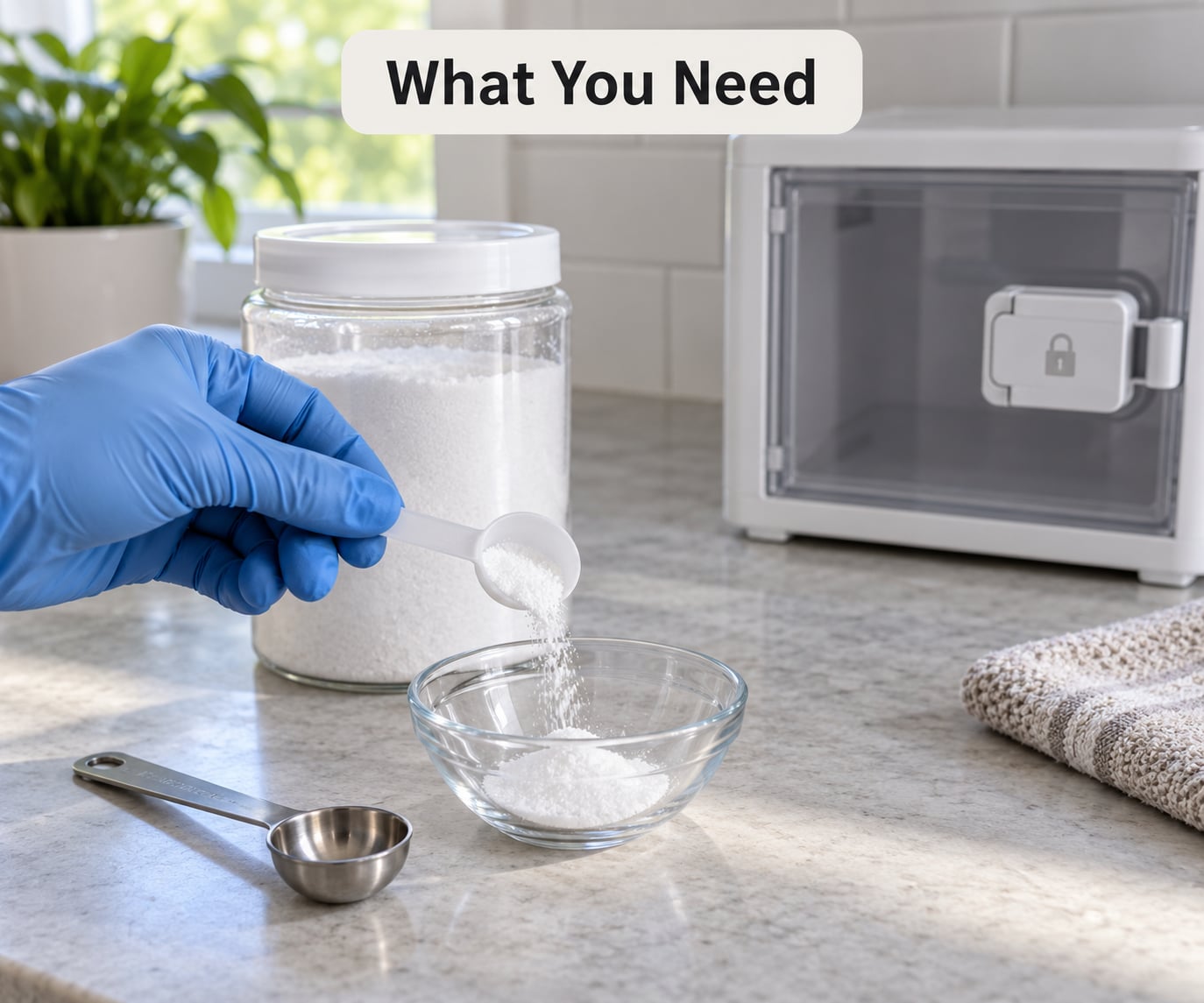
You need an EPA-registered boric acid dust product, not a box of borax and not a bulk scoop of technical grade powder bought for industrial use. The label number matters for two reasons: registration means it was reviewed for use as an insecticide, and the Directions for Use section is legally binding under FIFRA. Following the label is not a suggestion.
Also get a bulb duster or a bellows duster. A shaker bottle deposits too much powder and drops visible clumps on flat surfaces, which is exactly the mess a pet will investigate. A duster gives you the puff of air that puts a fine, even layer into a crack instead.
Have a few more things within reach:
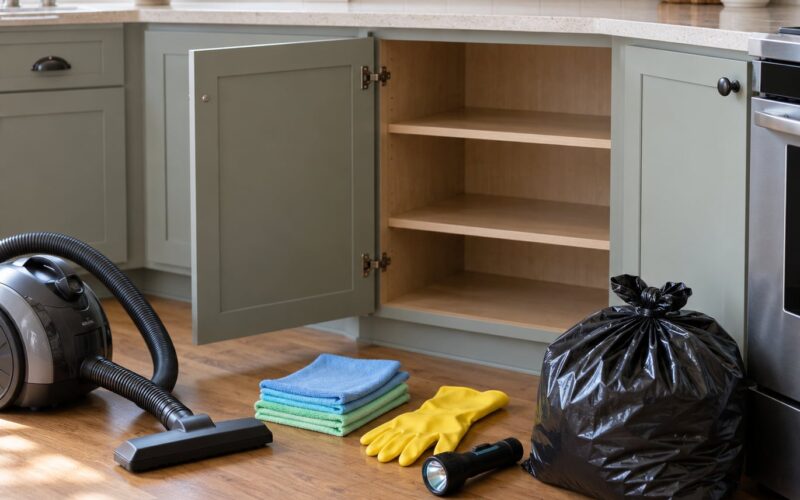
- Nitrile or disposable gloves, and a dust mask if you are sensitive to airborne powder.
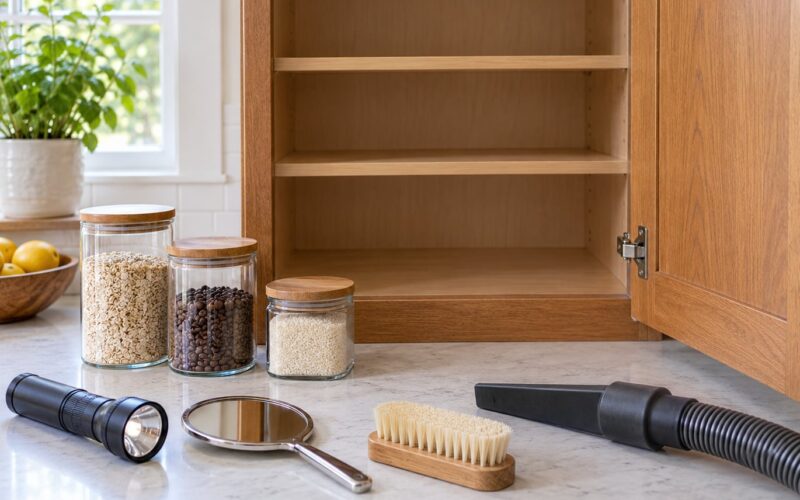
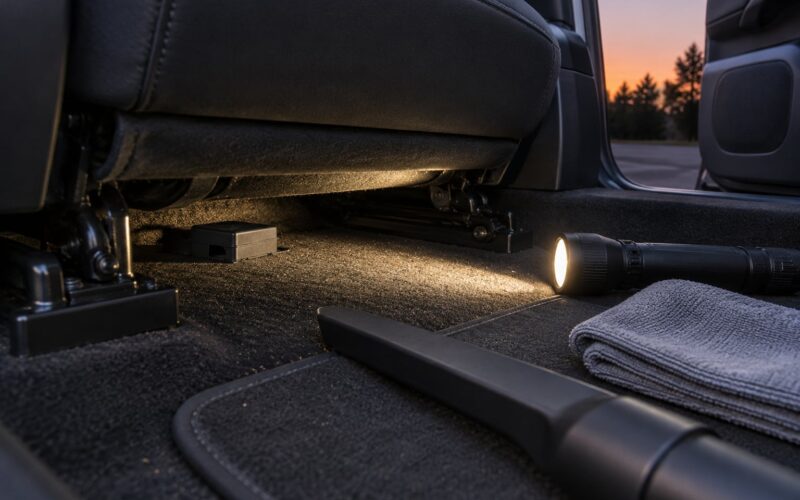
- A flashlight for looking behind and under appliances.
- Sticky monitoring traps, the kind with glue on the bottom and a wall side.
- A small brush or a vacuum with a fine filter for cleanup.
- A tape measure, to check whether a gap is genuinely smaller than your pet.
Before anything else, read the precautionary statements. Look for the signal word and for what the manufacturer says about children and pets, and follow those instructions over anything you read online, including this article.
Step-by-Step: How to Use Boric Acid for Cockroaches Safely Around Pets
Identify where the roaches are active
Cockroaches follow edges and hide in shelter. You are looking for the routes they use, not the open floor of a room, because open floor is where your dog will walk through it.
Set sticky traps along baseboards, behind appliances, under the sink, inside lower cabinets, and near the bathroom. Leave them undisturbed for two or three days, then look at which ones caught specimens. The traps tell you where the traffic is so the powder goes where it will actually be walked through.
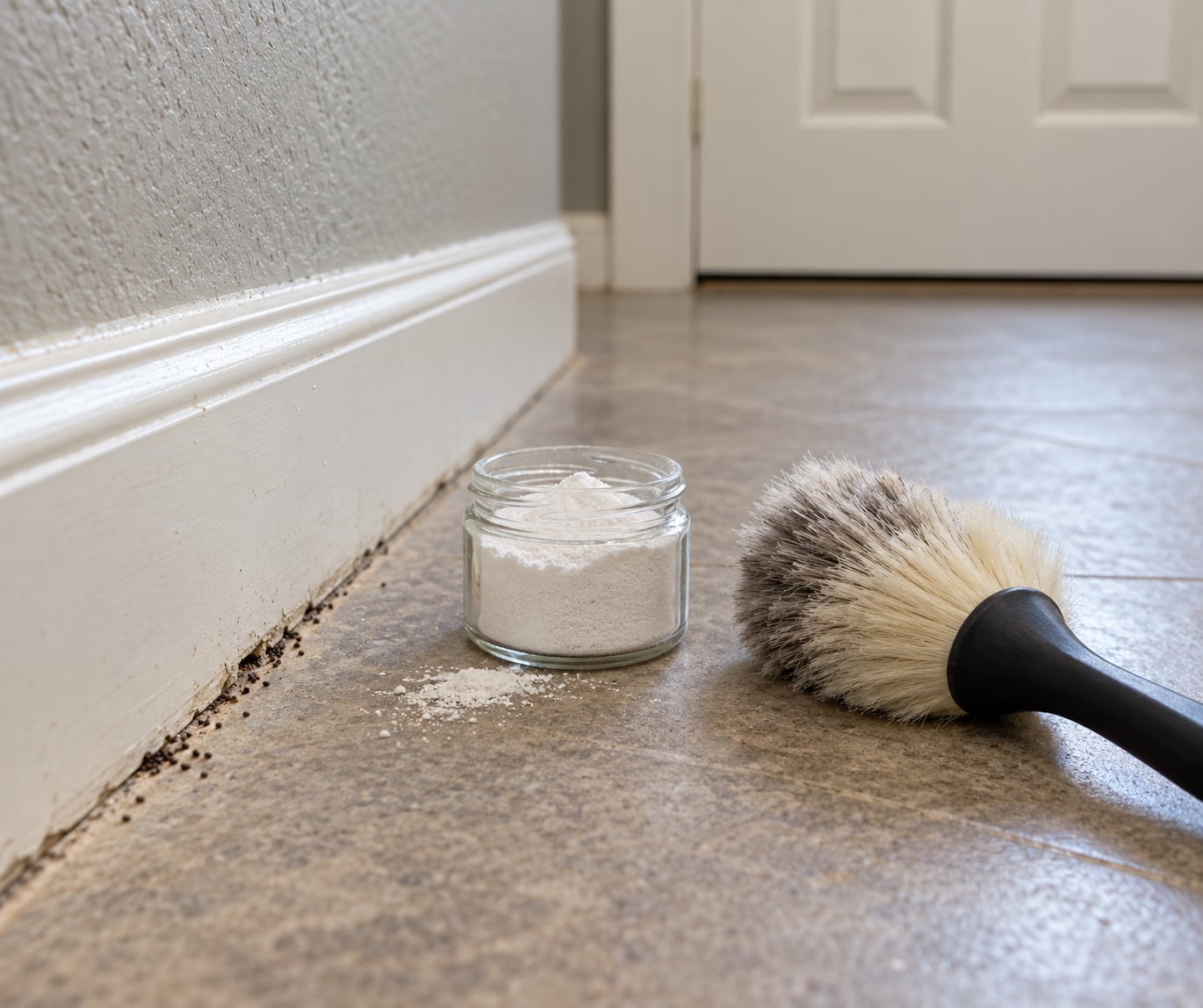
Then check the usual harborages without moving anything heavy: cracks where baseboards meet wall, gaps around pipe penetrations, the seam behind the stove, the underside of the sink cabinet, and the kick panel under sinks where one exists. Behind a refrigerator you will often find droppings that look like scattered specks of pepper, along with a musty smell. Dark egg cases stuck along a wall seam point to where a population has been breeding.
Keep pets away from the treatment area
Close the pets into a room with a door, ideally one that is not the kitchen or bathroom you are treating. Move their water and food bowls out first, because a pet left inside a treated room with its own bowl will come back for it. Move litter boxes and bedding too.
Plan around the animal rather than the calendar. A dog that needs a walk will chew a door down, so choose a window of time that matches its routine. If your cat has a litter tray in the bathroom you are treating, move the tray and be prepared to deal with the consequences.
Cover or remove anything the animal could stand on that reaches the wall, including small step stools, laundry baskets, and children’s toys. If you cannot make a room genuinely off-limits, do not treat that room yet.
Apply boric acid in small, targeted amounts
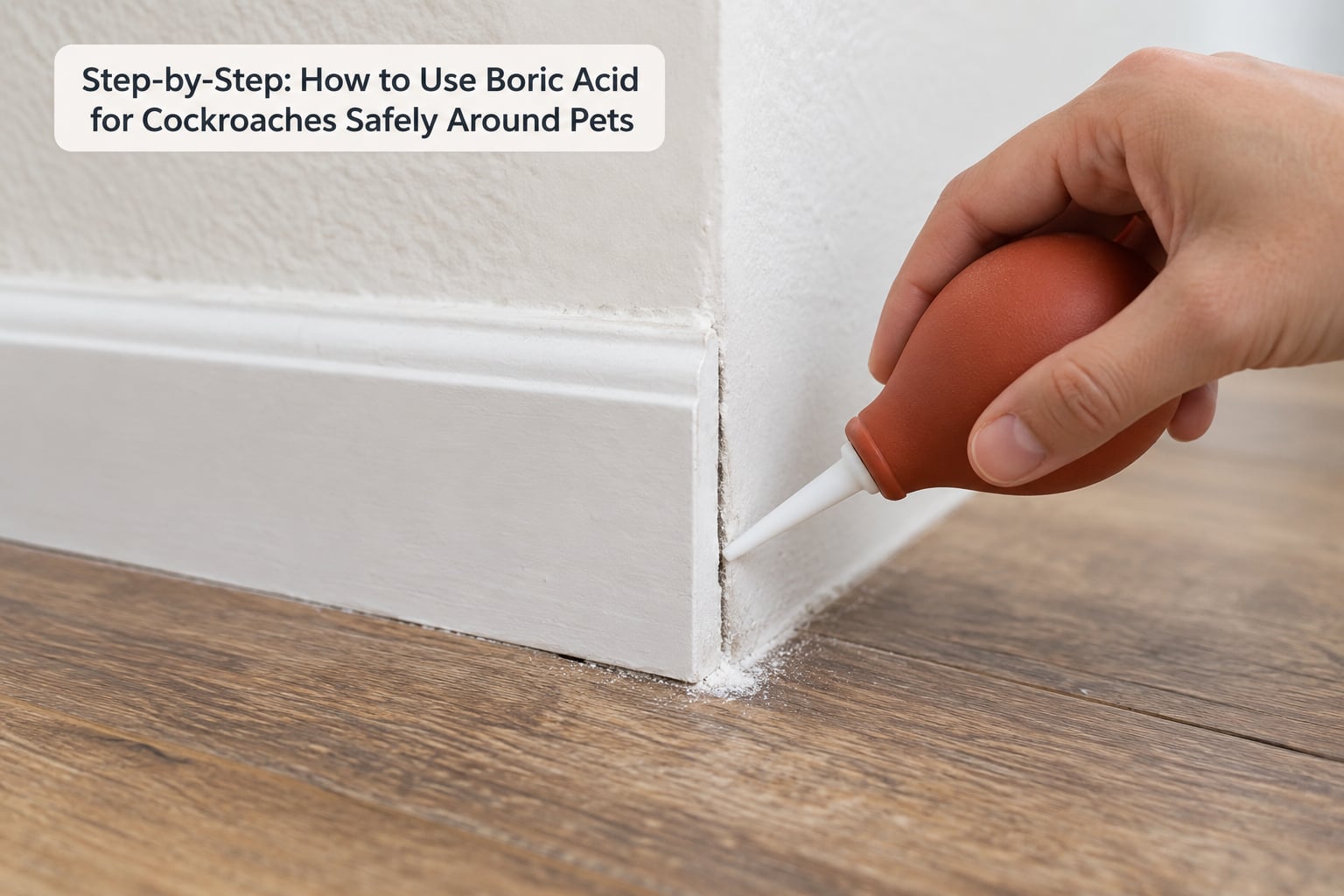
Puff a thin, barely visible film into the cracks and voids you identified. You should be able to see a faint haze on the surface, never a white pile. Thick dust repels roaches the same way a barrier does, so a heavy application can actually push them out into open rooms where pets walk.
The mechanics are worth understanding. Particles carry an electrostatic charge that makes them cling to the roach’s body as it passes. The insect ingests the residue later while cleaning its legs and antennae, and the compound disrupts its gut metabolism rather than attacking its nervous system. That is why it is called a non-repellent stomach poison, and why roaches that never touch the dust are never affected by it.
Concentrate on sheltered surfaces: crack lines, hinge points, the seam behind an appliance, under a sink basin, and inside a hollow door. Do not apply to countertops, food-prep surfaces, anywhere near pet bowls, in a pet crate, in a car, or on any surface you cannot wipe. If you would not be comfortable with a wet wipe picking it up, that is the wrong spot.
Finish the room by closing the off-limits access. Fill the gap behind a removable kick panel with caulk, or push a tightly rolled piece of steel wool into the opening and seal it. If a gap is where a pipe enters a wall, pack it with copper mesh and sealant. Dust placed where a pet can walk back in is dust that will end up on paws.
Wait and monitor for improvement
Boric acid is slow. Expect visible dead roaches over roughly three to ten days, not the next morning, and expect the population to look worse for a day or two before it looks better. Nymphs hide, adults flee disturbed hiding spots, and neither means the treatment failed.
Judge progress with the traps, not with the calendar or with the sight of a roach on the kitchen floor. Re-stick fresh traps in the same positions every week and count what they catch. When a location stays empty across several checks, the dust and the lack of water and food are working there.
Do not disturb the dust while you wait. Vacuuming or wiping a treated crack right after applying it removes the film that was doing the work. If powder gets disturbed in a spot you care about, dust it again rather than cleaning it away entirely.
Watch for the signs that this is beyond a powder job: roaches appearing during the day rather than at night, spotting near sinks and dishes, or sightings in a different room every few days. Daytime activity and a wide spread usually mean the infestation is established in walls you cannot reach. University of Kentucky extension guidance generally frames a heavy German cockroach problem as needing more than one method, which we cover below.
Clean up and repeat only as needed
There is no fixed schedule for removing boric acid. Keep it down as long as it stays dry, undisturbed, and out of reach, and judge it by trap counts rather than by a day on the calendar. In a damp location it clumps and stops working, so a bathroom application may need replacing sooner than a bedroom wall void.
To remove it, do not shake it into the air. Wipe hard surfaces with a damp cloth, then wash the cloth separately with your laundry, or vacuum with a filter fine enough to hold powder. Take waste out of the house rather than pushing it to the edge of the property where it can dry out and blow back in.
Wash any surface a pet touches with a damp cloth or mop and keep the animal off it until it is fully dry. If you are near a spot where you spilled or dumped a container, take that up now rather than hoping nobody notices. A second application is reasonable only after checking the label for a maximum number of applications and confirming you did not exceed it.
Common Mistakes
Nearly every problem people run into when they try how to use boric acid for cockroaches safely around pets comes down to where the powder ended up, and each mistake below has a fix.
Leaving open powder where a pet can walk
A visible mound near a food bowl is the single most dangerous way to use boric acid. The correction is to remove it, vacuum the area, and reapply only inside cracks or behind closed panels, or use a different method entirely.
Treating a room a pet still has access to
Dust laid down before you close the room and cleaned up after you open it gives you nothing but risk. The fix is sequencing: pets out, room treated and closed, pets back only when the powder is disturbed and put away. Some owners in pest forums have run boric acid alongside pets for months without incident, and the common thread in every one of those accounts is placement, not luck.
Applying too much
Heavy dust forms a barrier roaches refuse to cross, and repellence pushes the population into open living space. Use a duster, go lightly, and aim for a film you can barely see.
Placing it near food, water, or litter
Kitchen counters, pet bowls, litter boxes, and garbage areas are all off-limits. If you want to cut food and water sources instead, that means sealing containers, taking trash out on a schedule, and fixing a dripping faucet. Those steps help more than a dust trail would.
Assuming one treatment solves a heavy infestation
Dust kills the roaches that walk through it and does nothing to eggs already sealed in a capsule, so a heavy population will reappear. Combine methods: gel bait in sheltered spots where pets cannot reach, sticky traps for monitoring, an insect growth regulator for new nymphs, and sanitation and caulking to remove the reasons they came in.
Using sprays near your dust
Spraying repels roaches away from treated surfaces and can move the problem into open areas. Keep aerosol applications away from voids you have already dusted.
Using borax from the laundry aisle
Borax and boric acid are related but not interchangeable, and laundry borax is not an EPA-registered insecticide. If the package has no EPA registration number, it is not the product this method assumes.
Pouring the powder down a drain or mixing it into homemade bait
Homemade bait balls made with sugar or condensed milk create pet-accessible poison in the middle of your floor, which forum accounts describe causing genuine scares. Store bait in enclosed bait stations or gel dots in crack lines, never loose.
Expecting overnight results
Slow action is a feature of the chemical, not a failure. If you want a faster knockdown in a room pets already use, gel bait and a growth regulator do the work that dust cannot.
Safety Notes by Pet Type
Different animals fail in different ways, and the fix changes with each.
Cats groom constantly, so powder on the floor transfers to fur and then to the mouth. Keep dust entirely off any surface a cat walks on, and expect a cat to investigate disturbed powder near a wall.
Dogs sniff everything and eat things off the floor, which makes placement the whole game. Dogs also startle at insects and may paw at the wall where roaches travel, so treat the visible movement as well as the dust itself.
Bird owners have the least margin for error. Birds have highly sensitive respiratory systems, and forum accounts from bird owners repeatedly describe using gel bait only and skipping dust altogether. If you keep birds, ask a veterinarian before using any airborne or powder pesticide in their airspace, and consider professional treatment instead.
Small mammals like hamsters and guinea pigs live in floor-level bedding where any powder application is a bad fit. Use an enclosed cage, relocate the enclosure, and choose a method that never enters their space.
If a pet does get into it, do not wait and watch. Call the ASPCA Animal Poison Control line at 888-426-4435 or Poison Control at 1-800-222-1222, and have the product label in hand with its EPA registration number. Watch the mouth for redness and drooling, and contact your veterinarian promptly if your pet seems unwell. Your vet decides what your specific animal needs, not an article.
Frequently Asked Questions
Is boric acid safe for dogs and cats if they cannot reach it?
Placed where a dog or cat cannot touch, walk near, or groom it off, boric acid is one of the lower-risk options for roach control. It still is not harmless: swallowing enough causes vomiting, drooling, mouth irritation, and in serious cases kidney and nervous system damage. Safety comes entirely from placement, so keep it inside cracks, voids, and behind closed panels, and keep pets out of the room until disturbed powder is cleaned up.
Can I use boric acid in a home with pets?
Yes, many pet households use it, and pest forums carry multiple accounts of long-term use without incident. The conditions are simple: EPA-registered dust product, a light film only in areas your animals cannot reach, a closed room during and after application, no powder near bowls, litter, crates, or play areas, and cleanup of any spill. Birds are the exception worth thinking hardest about, since their respiratory systems react badly to airborne powder and many owners choose gel bait instead.
Where should I place boric acid to control cockroaches?
Place it in cracks along baseboards, gaps around pipe penetrations, seams behind and under appliances, the underside of a sink cabinet, hollow or hollow-core doors, and inside a removable kick panel. Focus where roaches travel, since sticky traps show you the routes. Then seal the opening so nothing can walk back in. Avoid countertops, floors, pet bowls, litter boxes, and anywhere you cannot wipe a wet cloth over.
How long does boric acid take to work on cockroaches?
Expect dead roaches over about three to ten days, and expect a temporary rise in visible activity first because disturbed roaches flee their hiding spots. The dust keeps working for weeks while it stays dry, thin, and undisturbed. Judge progress with sticky traps checked weekly in the same positions rather than by the calendar. If activity stays steady across every trap after two weeks, the population is probably deeper in the walls than dust can reach.
What should I do if my pet licks or ingests boric acid?
Call a veterinarian or a pet poison line right away instead of waiting for symptoms. ASPCA Animal Poison Control is 888-426-4435 and Poison Control is 1-800-222-1222. Have the product label and its EPA registration number ready so they can work out the dose. Watch for drooling, mouth redness, vomiting, and lethargy, and do not induce vomiting unless a vet tells you to, since boric acid can be caustic.
Should I use boric acid if I have a severe cockroach infestation?
No, not on its own. Severe infestations mean roaches are living inside walls and inside appliances where dust cannot reach, and the sealed egg cases survive regardless. A heavy population also needs more than one method: gel bait in sheltered spots, an insect growth regulator for nymphs, sticky traps for measurement, and sanitation plus caulking to cut off entry. When roaches show during daylight or spread room to room weekly, professional treatment is the faster and safer route.
Start with the label, not the powder. Confirm you have an EPA-registered dust product, clear every pet out of the room with their food, water, and litter, place a barely visible film inside the cracks your sticky traps identified, and seal those openings behind it. Check the same traps a week later, and keep doing the boring work of water management and sealing gaps. That last part is what keeps roaches out after the powder is gone.