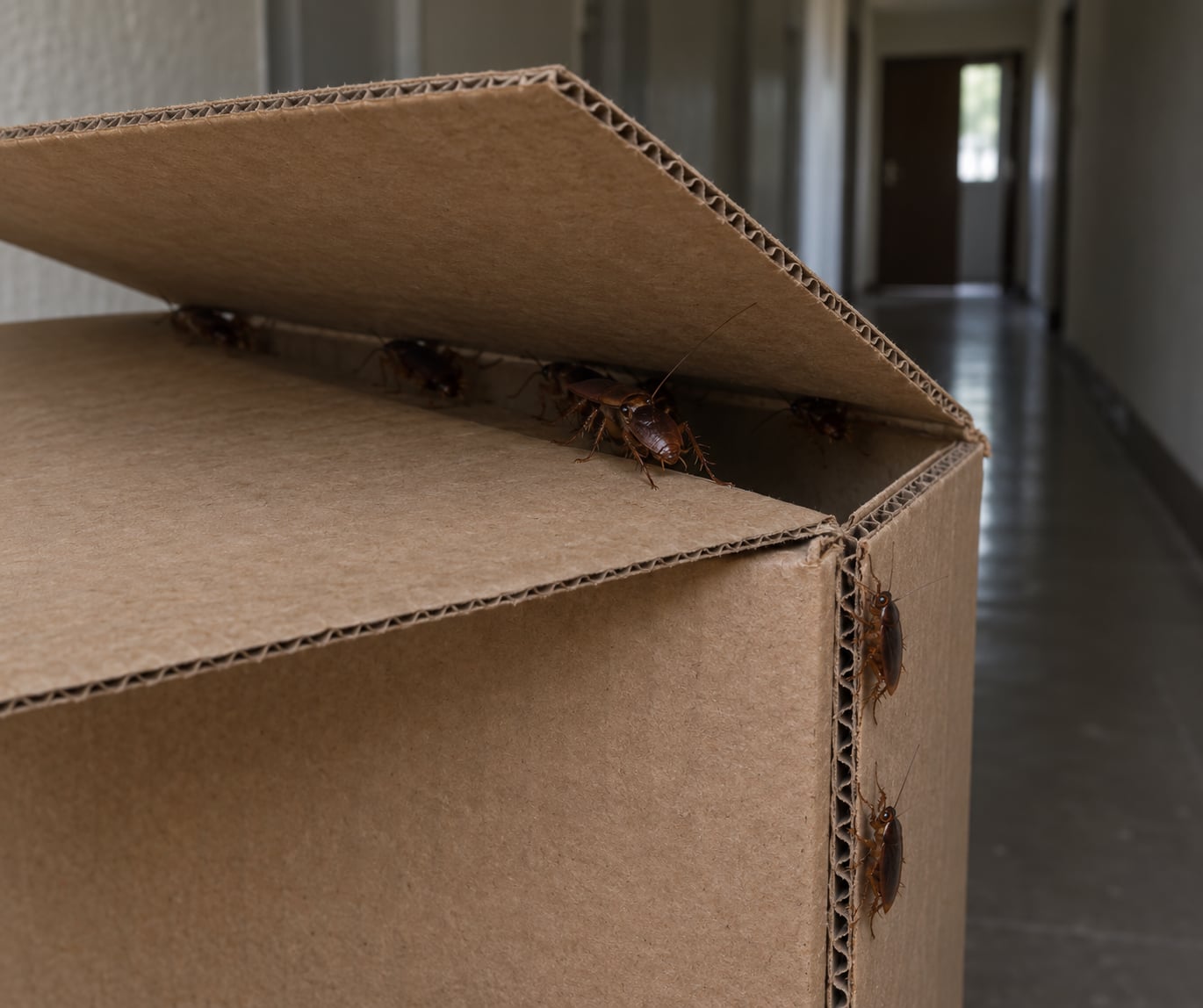
Roaches like cardboard boxes because the material delivers three things at once: a starchy food source, thousands of tiny pre-built crevices, and a dark, undisturbed, moisture-holding space. The glue holding corrugated cardboard together is edible to them, and the flutes between the liners are ready-made harborage.
That combination is why an unremarkable box in the hallway can turn into the most productive hiding spot in an apartment. It is also why the question comes up so often after a delivery or a move.
Table of Contents
- Why Roaches Like Cardboard Boxes
- The Five Reasons Cardboard Boxes Attract Roaches
- Does Every Roach Species Like Cardboard Boxes?
- Is One Roach in a Box an Infestation?
- How to Inspect and Safely Remove Cardboard Boxes
- How to Prevent Roaches in Stored Boxes
- When to Call a Pest Professional
- Frequently Asked Questions
- Conclusion: What to Do First
Why Roaches Like Cardboard Boxes
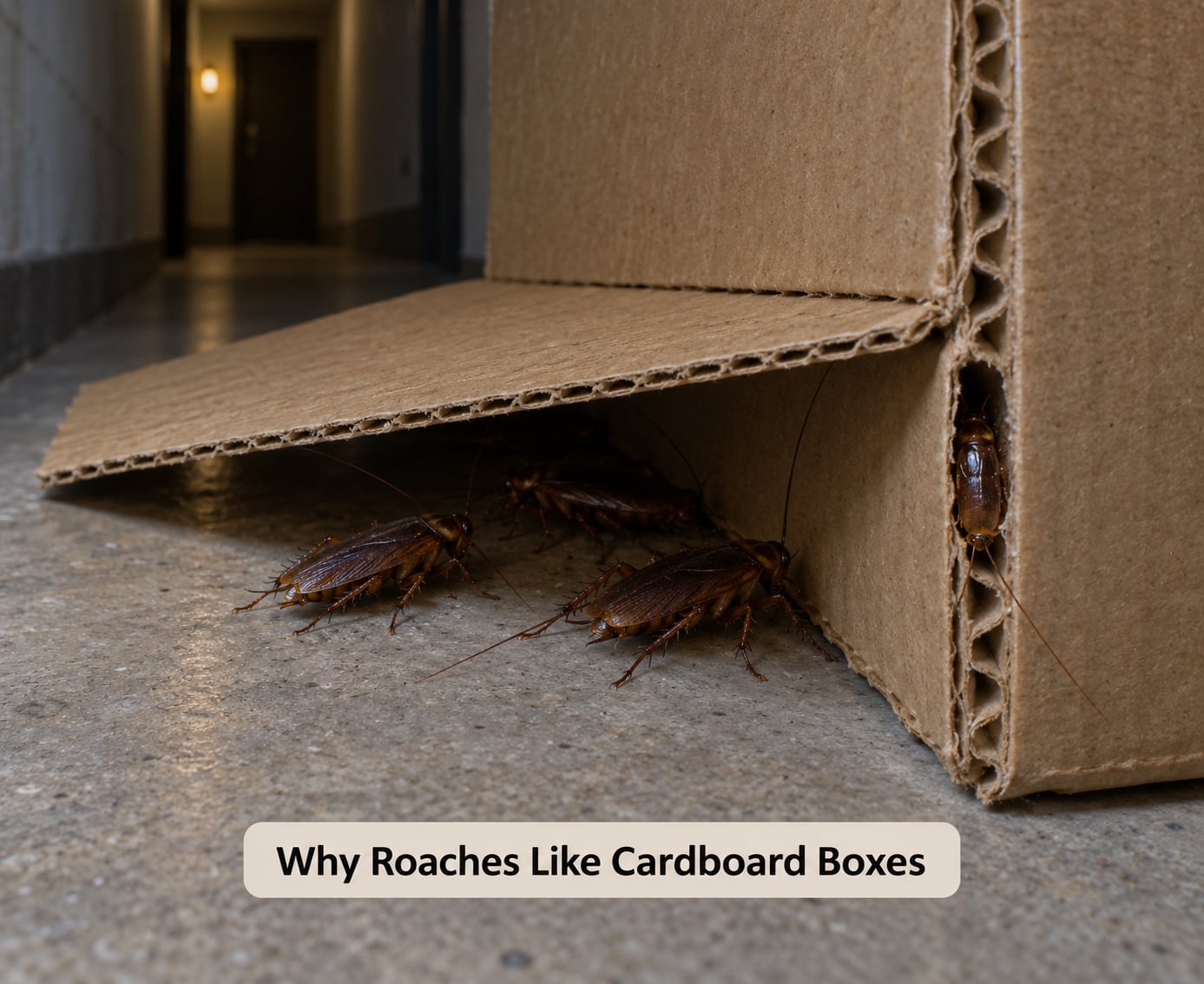
Roaches settle into cardboard because it is porous, dark, quiet and faintly warm, and because the starch adhesive and cellulose fibers give them something to feed on. Corrugated cardboard is built from two flat liners bonded to a wavy core, and those air channels are exactly the tight, enclosed gaps a roach presses itself into for safety.
Attraction and infestation are two different things. A single roach in a box may have been carried in on that box from someone else’s unit, a storage unit or a delivery truck. That is a warning, not a diagnosis. Whether you have a problem depends on what else is nearby: accessible food, water, entry cracks and warmth.
Five factors drive the attraction, and each one gets stronger when the box is used, damp or stacked against others.
The Five Reasons Cardboard Boxes Attract Roaches
The list below covers shelter from disturbance, temperature, scent, grip and concealed routes. Species matters too. A small German or brown-banded roach can squeeze into gaps a larger American cockroach ignores, so the same stack of boxes can read very differently depending on who is living in the building.
Condition matters most. A clean, new box sitting on a dry concrete floor in a climate-controlled room is a marginal opportunity. A damp, food-stained box in a warm basement corner is a nursery, and the difference is often humidity and what the box touched before it got there.
Why Roaches Like Cardboard Boxes: Shelter From Disturbance
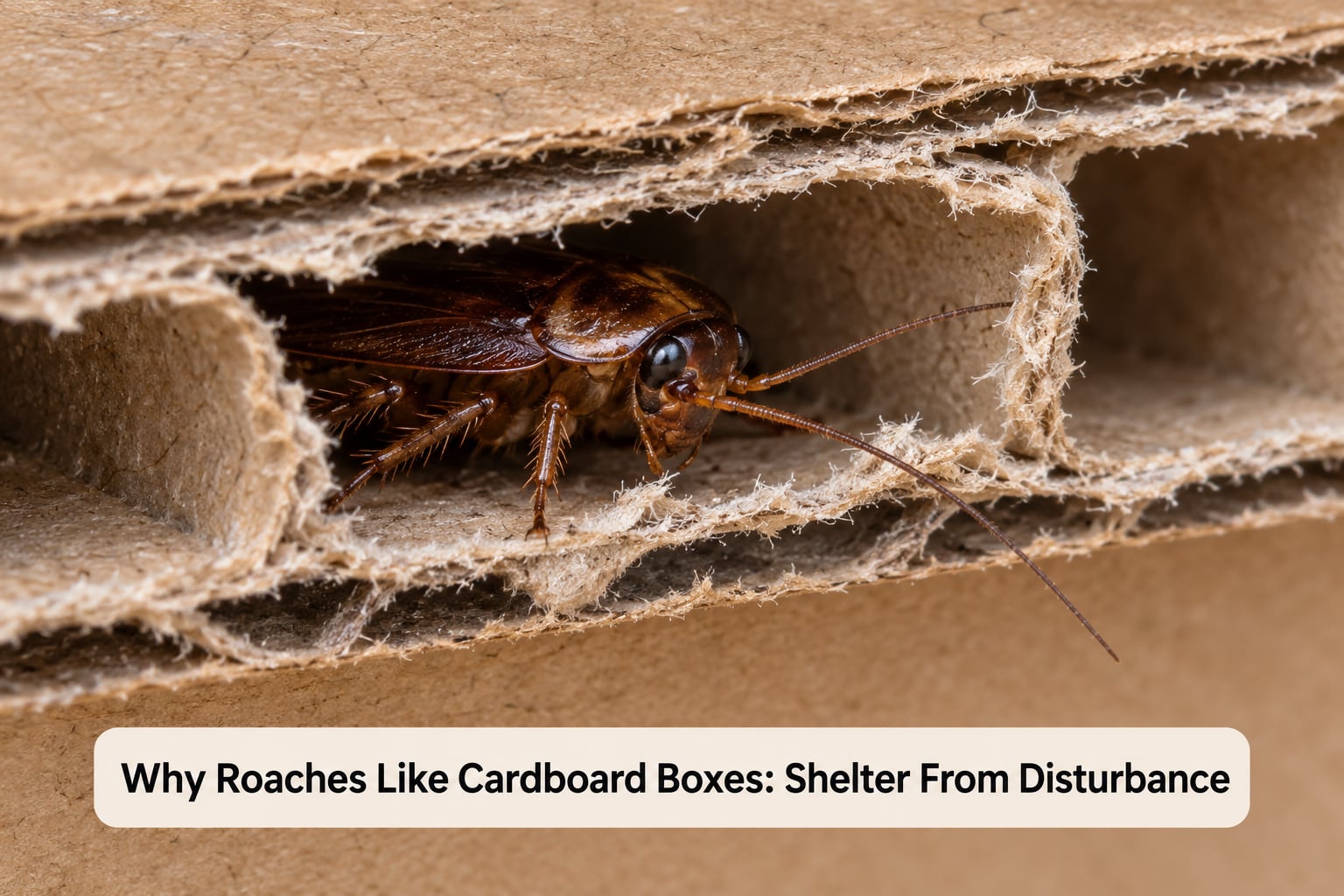
Cockroaches are thigmotactic, which is a plain way of saying they want their bodies touching surfaces on more than one side. A crush against a wall or wedged into a gap reads as safety, and a roach under stress will walk straight past open ground to reach one.
A box gives them that contact in quantity. Overlapping flaps, the gap between liner and flute, the seam where two flaps meet, and the hollow center where contents sat are all enclosed, dark spaces with two or more surfaces within reach. When someone picks the box up or walks past with a vacuum, everything inside stays put and stays dark. That is a roach’s ideal: undisturbed and invisible.
Why Cardboard Feels Warm and Stable
Corrugated cardboard traps a layer of still air inside its core, and trapped air insulates. A stack of boxes in a garage, closet, basement, attic or a recently vacated room holds heat longer than bare concrete or drywall around it, so the inside of a box can sit several degrees above the surrounding air even in a cool space.
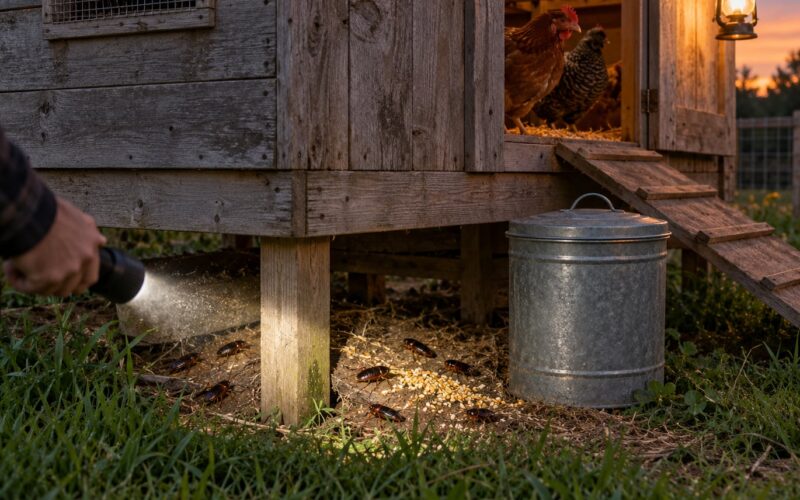
Most species prefer roughly warm, humid conditions, so a box that raises the temperature slightly and holds moisture does two jobs at once. This is also why storage areas get worse in late summer and fall. Outdoor populations push indoors as the weather turns, and the warmest, dampest corners of a garage or basement are storage corners.
Why Roaches Seek Cardboard for Food Scents
Cardboard itself is not a meal, but it is not nothing either. The starch-based adhesive bonding the liners to the core is edible, and roaches will gnaw on it. Cellulose fibers are also digestible in small amounts, so gnawed edges and worn corners tell you a box has been used as a feeding surface rather than just a hiding place.
The bigger draw is what the box carried. Grease, crumbs, moisture and a heavy food scent soak into the porous fiber and are very hard to wash out. A delivery box that held produce or pet food can stay attractive for months. One forum poster described seeing roaches ride in with deliveries and blaming the glue in the cardboard, which matches what pest researchers see repeatedly: the box is a carrier and a snack, not a balanced meal.
Cleanliness changes the odds. A wiped-down, food-free, dry box sitting apart from walls is much less interesting than a stack of grocery boxes beside a trash can.
Why Cardboard Fibers Provide Useful Grip
Roaches walk on surfaces that catch their claws and body hairs, and smooth plastic is a poor surface for them. Corrugated fiber is rough, torn and slightly fuzzy, and it holds a thin layer of dust and moisture that makes the surface workable rather than slick.
That grip matters along vertical walls and box faces. A roach crossing a bare wall struggles; the same roach crossing the corrugated side of a box or squeezing between two stacked boxes moves easily. The practical consequence for you is simple: storing things on smooth, sealed plastic surfaces takes away one of the routes a roach counts on.
Why Hidden Corridors Matter
Single boxes are not the interesting part. Stacks are. Gaps along box edges, the seam between two boxes touching, the sliver of space where a stack meets a wall, and the tunnel between a bottom box and a pallet all create quiet routes that connect hiding places to food sources.
A roach can cross a room from the baseboard to the kitchen counter by staying in contact with surfaces the whole way, without crossing a single exposed patch of floor. Boxes give that corridor structure. It is the reason a stack in a garage can keep an infestation fed and mobile for a long time before anyone sees a roach in a lived-in room.
Does Every Roach Species Like Cardboard Boxes?
Preferences vary, and a sighting rarely identifies the species on its own. German cockroaches are small, warm-adapted and common in kitchens and bathrooms, and they squeeze into gaps you would not expect. Brown-banded roaches are similarly small, favor warm dry areas above eye level, and appear in boxes on shelves and in closets.
American cockroaches are larger and prefer cooler, damper, unsanitary spaces like basements, garages and utility rooms. Oriental cockroaches also lean cool and damp and tend to hide in dark storage areas and under boxes. Brown-banded species are notably drawn to warm, elevated spots, so a box on a high shelf can be the main site you ever see evidence.
The practical point is that box height and temperature tell you something. Activity high on a shelf suggests brown-banded; activity low in a damp basement corner suggests American or Oriental. Knowing which changes how aggressively you need to seal entry points.
Is One Roach in a Box an Infestation?
Not automatically. Three situations look similar at first glance. A single roach in a box you just received or carried from elsewhere is most likely an accidental carrier. A handful in a warm storage area may be hiding or overwintering individuals, which happens in cooler months and does not mean the whole home is occupied.
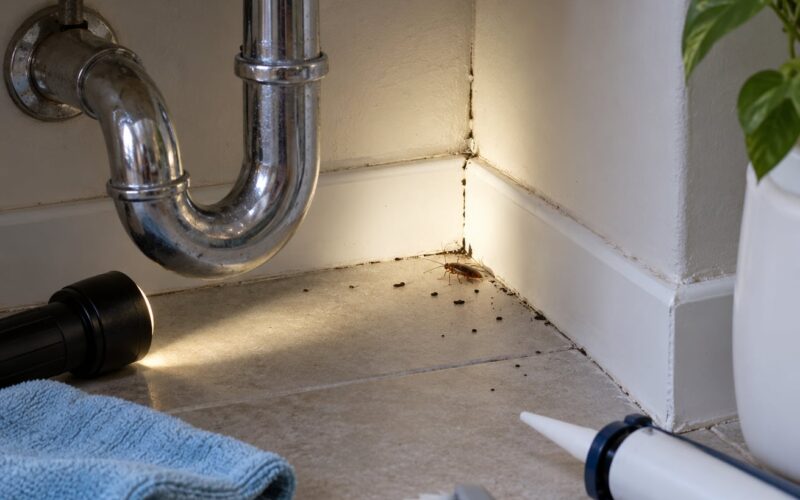
The warning signs are what change the answer. Look for pepper-like droppings along box seams and shelf edges, brown egg cases or ootheca tucked into folds, shed skins from growing nymphs, and a musty smell. Repeated sightings in different rooms, or roaches scattering when you switch the lights on, point to a larger population living close by rather than a stray hitchhiker.
Droppings are the giveaway most people miss. They look like scattered black specks of ground pepper, and they sit along edges rather than in the middle of a surface, because that is where roaches travel along walls.
How to Inspect and Safely Remove Cardboard Boxes
Work room by room, starting with the least likely spot, so you do not push roaches into cleaner areas.
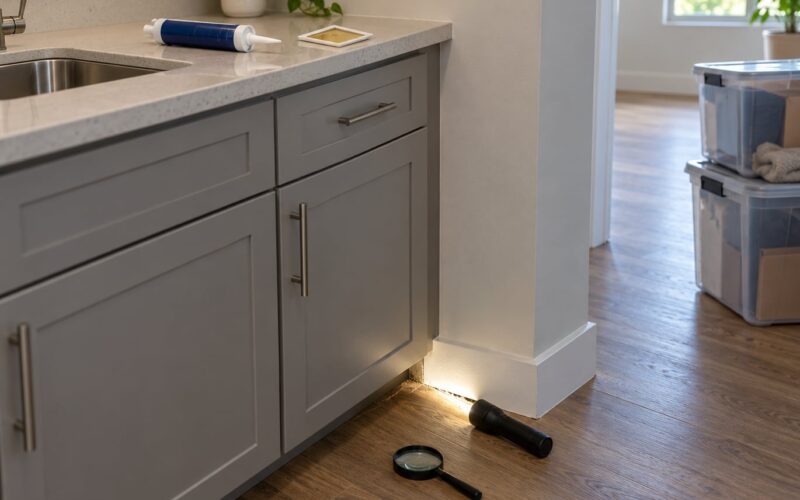
Open boxes outdoors or in a bright garage, look inside with a flashlight, and check under every stack. Do not shake a suspect box indoors. Tapping the contents shakes roaches and egg cases out across your floor where you then step on them, which is exactly the mistake that spreads a problem and deposits eggs.
Take suspect boxes straight out, break them down if you can, and bag them. If you cannot break them down, keep them sealed and take the whole stack intact. Renters in multi-unit buildings often cannot set bulky boxes at the curb, so sealed bags in a bin on pickup day work better than a growing pile in a hallway.
Wash the shelf, floor and wall behind the stack with a cleaner, then dry them. Cardboard holds scent and moisture in its fibers, so a damp-wiped floor that never dries keeps the invitation in place. Keep an eye on the area for a couple of weeks, since activity does not stop the moment you remove a box.
Use gloves when handling discarded packaging and keep cleaning chemicals away from children and pets. Never mix bleach with ammonia or vinegar-based products, and give surfaces time to dry before putting anything back.
How to Prevent Roaches in Stored Boxes
Storage decisions do more work than any treatment applied afterward. Get cardboard off the floor onto a pallet or shelving that keeps a gap for airflow and inspection, and keep stored items away from walls where you cannot see behind them.
Use sealed plastic bins with tight lids for anything you will not open often. Keep food in airtight containers rather than original cartons, fix plumbing leaks and drying issues in basements and garages, and run a dehumidifier where humidity regularly climbs. Rotate stored items so nothing sits untouched for years, and replace damp or gnawed cardboard promptly rather than stacking on top of it.
Paper grocery bags, newspaper stacks and fabric totes behave much like cardboard. They are soft, they hold food scent and they give grip. If you keep any of them in a storage area, treat them the same way.
One honest limit: sealing boxes cannot resolve an established infestation. If roaches are already living in the structure, better storage improves your odds, but it does not remove the population hiding in walls, appliances and other harborage.
When to Call a Pest Professional
Call a licensed or qualified pest professional when you see roaches during the day, when they show up in more than one room, or when you find droppings or egg cases near appliances, plumbing or under the sink. Heavy scatter when the lights come on, a problem that survives a real cleaning and source removal, or a building-wide situation where a neighbor’s unit is the likely source all belong on that list.
Why it matters: identification drives treatment. A gel bait and crack-sealing plan for German roaches is a different job from moisture control and exclusion for American or Oriental roaches, and roach species respond differently to the same approach. A professional can also tell you whether the cardboard was the reason or simply where you happened to notice them.
Frequently Asked Questions
Do all types of roaches like cardboard boxes?
Not equally. German and brown-banded roaches are small and use the tiniest gaps in a box, and brown-banded species actively seek warm, elevated spots like shelves and closets. American and Oriental roaches are larger and lean toward cooler, damp areas such as basements and garages. All four can use cardboard, but where you find the activity tells you which one you are dealing with.
Will removing cardboard boxes get rid of roaches?
Removing boxes removes one of the best hiding and breeding sites you have, which makes everything else easier. It rarely ends the problem on its own, because roaches also live in wall voids, under appliances, in drains and in neighbouring units. Forum discussions are right that food, moisture and entry cracks usually keep pulling roaches back even after the boxes are gone.
How should I handle a box if I see a cockroach inside?
Do not shake it or dump the contents indoors, since that scatters roaches and egg cases across the floor and onto bare feet. Seal the box in a bag or tote, or carry the whole box outside before opening it. Check the shelf, floor and wall behind where it sat, clean those surfaces and dry them, then look again over the next couple of weeks.
Is cleaning the box enough to prevent roaches?
Washing a box helps only when it is clean, dry and isolated. Cardboard holds grease and scent in its fibers, so scrubbing gets the surface cleaner but rarely removes the smell or the adhesive that draws roaches. For storage, sealed plastic bins with tight lids do the job far better than a cleaned-up carton, and they are worth the small extra cost.
How quickly can roaches spread from a storage area?
They can cross a room in under a minute along walls and stacked boxes, so a garage or basement problem can reach a kitchen the same night. Signs it has moved in are pepper-like droppings along seams, egg cases in box folds, shed skins, and roaches fleeing when you turn the lights on. Daytime sightings in living areas mean the population is already well established.
Conclusion: What to Do First
Start with the storage areas and any boxes you have not opened since a delivery or a move. Open them in a bright space, look along the seams and undersides, and seal anything suspicious without shaking it out indoors. Then wipe and dry the shelf or floor beneath the stack, and keep watching that spot for a couple of weeks.
From there, move stored cardboard off the floor and out of reach of walls, swap it for sealed bins where you can, and deal with moisture and food sources. If you are still seeing droppings, egg cases or daytime roaches after that cleanup, that is the point to bring in a professional who can identify the species and find the source.
Cardboard is rarely the root cause. It is the place the problem becomes visible, because it offers shelter, warmth, grip and a scent all at once. Fix what the box was covering and the boxes stop being interesting.