To get rid of roaches in a mobile home you have to do three things at once: seal the structure so nothing new walks in, kill the roaches that are already living inside, and treat the underbelly where outdoor species enter. Killing what you can see with spray is the part most people skip past, and it is the reason the same roaches come back in three weeks. The work takes a weekend of setup and two weeks of monitoring, and it is mostly cleaning and sealing rather than pesticide.
Mobile homes make this harder than a regular house for one reason: the floor is a hollow system sitting on a steel frame, so every pipe, wire and water line enters through a void, and the entire underside is open to the ground unless it has a belly wrap. Shared or adjoining walls add another route. Most people searching how to get rid of roaches in a mobile home start in the kitchen with a spray can, and that is exactly the sequence that fails. Plan on seeing more roaches for the first few days after you start, which is normal, not a sign the treatment failed.
Last updated: October 2026
Table of Contents
- What You Need
- Step-by-Step: How to Get Rid of Roaches in a Mobile Home
- 1. Confirm the roach problem and identify the main hiding places
- 2. Remove food, water, clutter, and roach-friendly hiding spots
- 3. Apply gel bait or another targeted roach treatment
- 4. Seal entry points and cracks around pipes, walls, and floors
- 5. Check neighboring rooms, appliances, and hard-to-reach areas
- 6. Monitor for two weeks and prevent reinfestation
- Common Mistakes
- Frequently Asked Questions
What You Need
Gather everything before you start, because halfway through a treatment and out of caulk is the worst possible time to find the gap. Most of the list is cleaning supplies and hardware; the pesticide side is only four items.
Cleaning and prep supplies
- Degreaser or a diluted bleach solution for cabinet interiors, toe-kicks and under-sink plumbing
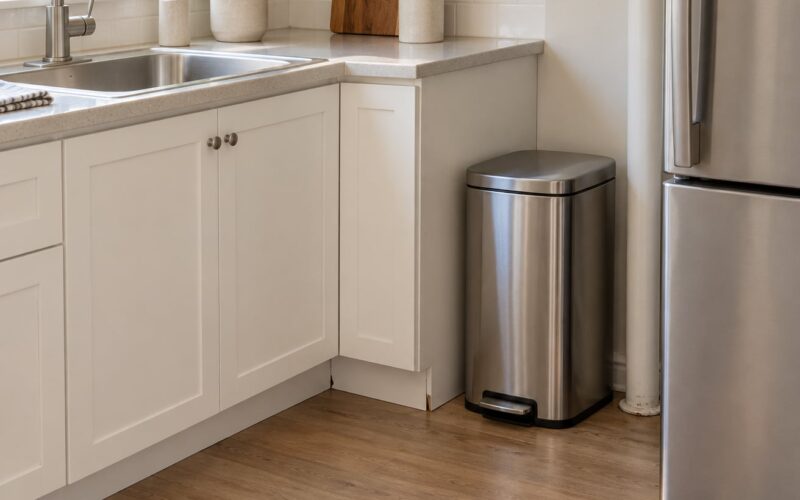
- Trash bags that seal, plus a bin with a lid for the kitchen
- A stiff brush for hinge corners and shelf pin holes, where harborage hides
- A vacuum and a mop, used after the chemical work rather than before it
- Dish soap, a drain stopper or plug for the sink and tub, and a wrench for loose plumbing fittings
- A flashlight and a hand mirror for looking behind appliances and into wall voids
For cockroach control in a mobile home, water matters as much as crumbs. A dripping faucet or a fridge pooling condensate behind the compressor will keep a population alive no matter how much bait you use.
Sealing materials
- Stainless steel wool, for pipe, wire and gas line voids
- Pest-block or expanding foam for larger gaps around penetrations and baseboard edges
- Clear silicone caulk and a caulk gun, for floor edges, skirting gaps and cabinet hinges
- Hardware cloth or fine mesh for skirting vents you want to keep open for airflow
- A utility knife to trim foam flush once it cures
Pest control products
- Slow-acting gel bait, which roaches eat and carry back to the harborage
- Boric acid powder for cracks, voids and behind appliances
- Food-grade diatomaceous earth as an optional dry alternative to boric acid
- Insect growth regulator (IGR) stations, which stop nymphs from maturing and reproducing
- A residual pyrethroid spray labeled for indoor perimeter use, for the baseboard band and the underbelly
- Sticky monitoring traps, which tell you where activity is instead of where you guess it is
Safety gear
Nitrile gloves, safety glasses and a dust mask for powders. Keep children, pets and anyone with asthma out of treated rooms until surfaces are dry, and follow the label on every product rather than mixing directions from several labels together. Boric acid and diatomaceous earth are both low-toxicity, not harmless, so no pet bowls or food surfaces nearby when you apply them.
Step-by-Step: How to Get Rid of Roaches in a Mobile Home
1. Confirm the roach problem and identify the main hiding places
An occasional roach that wandered in from the underbelly is a different job than a colony living in your walls. Look for signs that point to one or the other before you buy anything.
Signs of a real infestation: more than one roach a day, droppings that look like pepper specks along wall edges or under cabinets, brown egg cases, shed skins near warmth sources, and a musty odor in a closed cabinet. Roaches that bolt from the skirting edge or appear along the floor border near a pipe are almost certainly coming from outside.
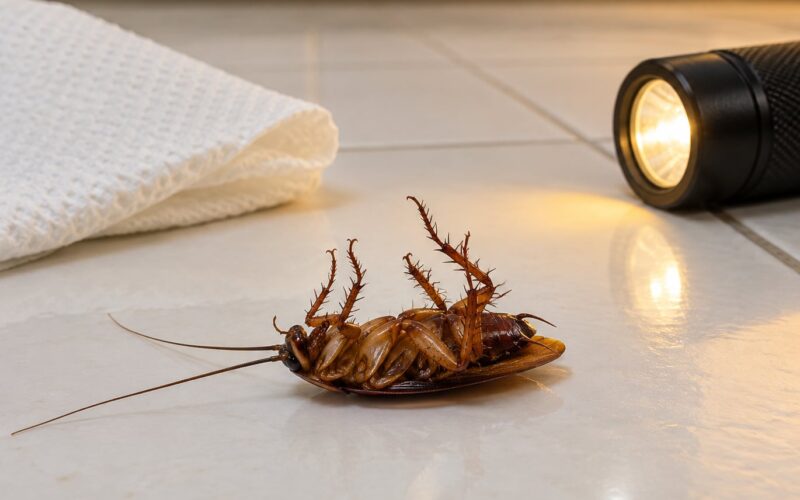
German cockroaches are small, light brown, and breed indoors, which makes them the hard case. American and Asian roaches are larger and darker and live outdoors in leaf litter, so they usually enter through the underbelly. Check the kitchen and bathroom first, then utility cabinets, the base of wall edges, behind and beneath the refrigerator, under the sink, and inside baseboard heater covers.
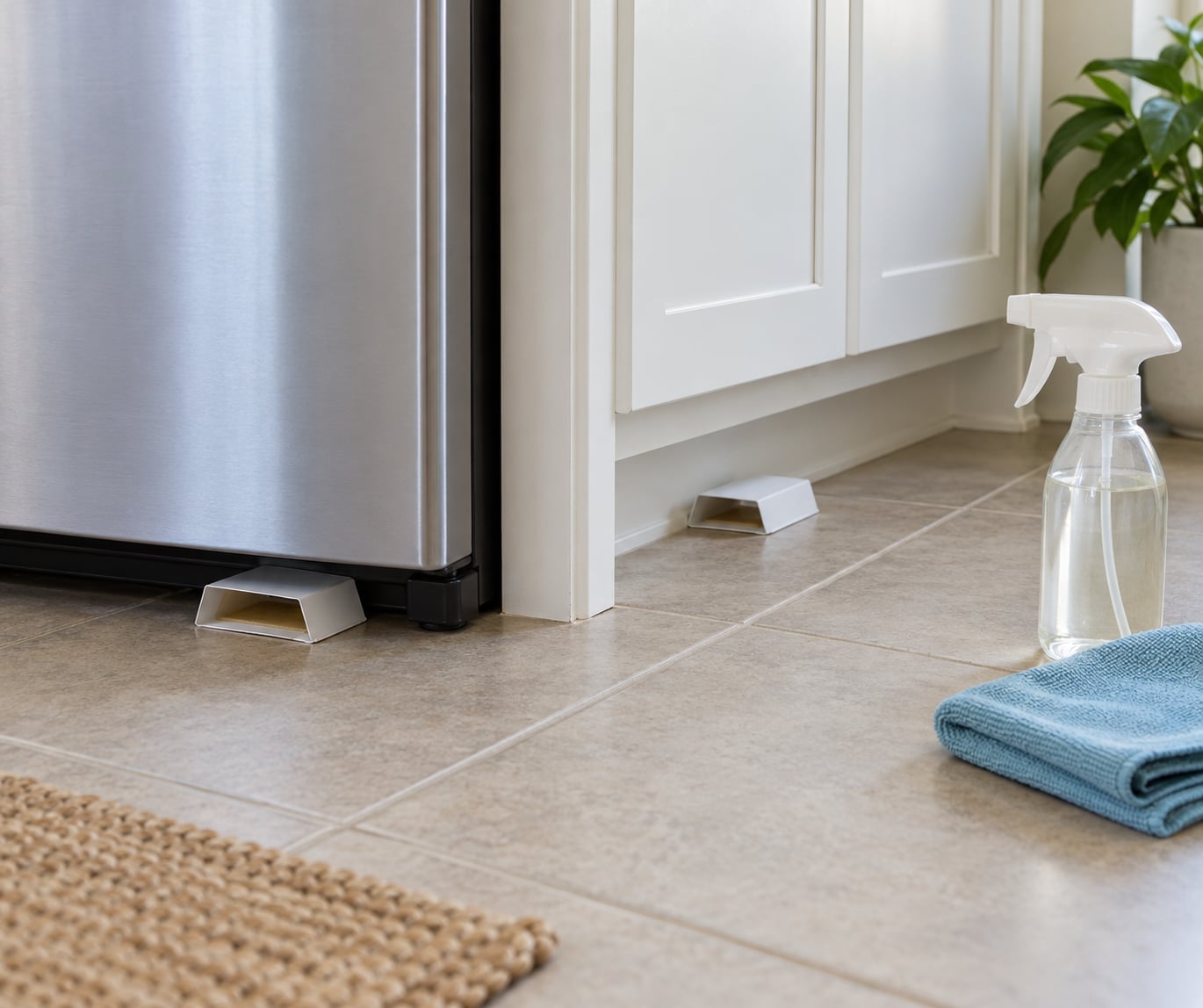
How to tell where they are travelling: set out six to ten sticky traps under the sink, behind the stove, beside the fridge, near the bathroom, along a skirting vent and by the circuit panel. Check them in 48 hours. Traps with catches tell you where to put bait; empty traps mean the problem is elsewhere or outside.
2. Remove food, water, clutter, and roach-friendly hiding spots
Sanitation is what makes every other step work. Starved roaches leave for better harborage, so cleaning is not optional background work.
- Kitchen: everything into sealed plastic or glass containers, not cardboard boxes; bread, potatoes and pet food off the counter; a lidded bin outside; dishes done and the sink dried every night.
- Bathroom: fix the dripping faucet, clear the tub and sink drains of hair and film, and keep the toilet lid down.
- Under the sink: dry the cabinet floor, tighten loose fittings, and check for a leak in the trap or supply line.
- Laundry and pet areas: sealed food, a washable pet bowl, and no standing water in the water heater pan or a plant saucer.
- Utility closet and circuit panel area: no cardboard, no rags, nothing stored against the wall.
- General clutter: roaches travel along edges, so move boxes off the floor and away from baseboards to expose cracks you need to seal.
While you have everything pulled out, run a bright flashlight along baseboards and floor edges. Roaches follow edges, and the trails of dark smears tell you where they walk.
3. Apply gel bait or another targeted roach treatment
Gel bait is the core of the interior treatment because it kills the ones that never come out at night. Place it where roaches are already feeding and travelling, not where you saw one.
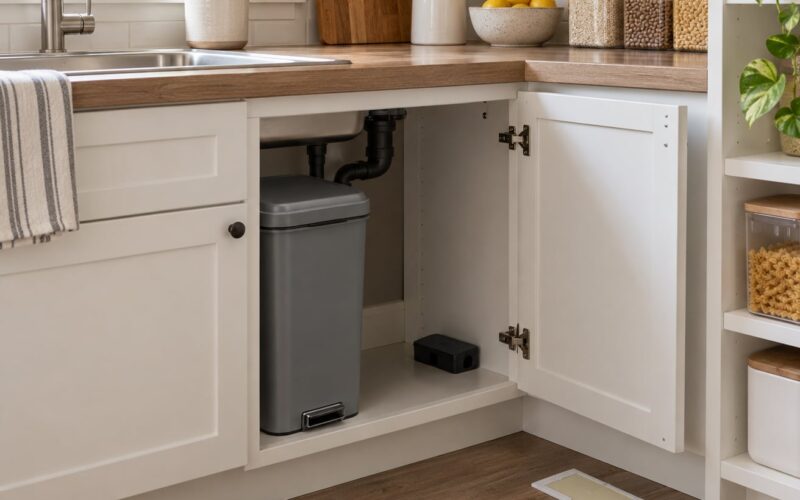
Dabs of bait go in cabinet hinge corners, under the sink at the pipe entry, along the back edge of shelves, behind the stove, at the base of the refrigerator, and inside the voids where pipes enter the floor. Keep the dabs separate, about the size of a grain of rice, and away from surfaces you will wipe down.
Never spray repellent insecticide over or near bait. The repellent drives roaches away from the food you placed, so they stop eating it, and cleanup spray from a general-purpose aerosol does the same thing. If you have sprayed in the area, wipe the surface first and re-apply fresh bait after it dries.
| Method | What it does | Where it goes | How fast |
|---|---|---|---|
| Slow-acting gel bait | Roaches eat it and carry it back to the harborage, where other roaches die too | Hinges, under-sink pipe entry, shelf edges, behind appliances | Days; adults die over 2 to 4 weeks |
| Boric acid powder | Damages the gut and also dries the insect out where it walks | Dusted thinly in cracks, hinges and wall voids | Slow, works best as support for bait |
| Diatomaceous earth | Desiccates roaches that cross it | Thin layer in dry voids and under appliances | Slow; reapply after it gets wet or dusty-covered |
| IGR station or granule | Stops developing nymphs from maturing into breeding adults | Under the sink, in the utility closet, behind appliances | Works on nymphs over several weeks |
| Residual spray | Kills on contact and holds on treated surfaces for weeks | Baseboard band, floor edges, penetrations, underbelly | Hours, with weeks of residual |
Aerosol sprays are for a small, specific job: flushing an adult out of a cabinet before you bait it, or knocking down a cluster in a sealed utility closet. Used across a whole home they scatter roaches into wall voids, which is where you do not want them.
4. Seal entry points and cracks around pipes, walls, and floors
Sealing is the step that keeps the work from repeating, and it is the step renters often cannot do alone. Work from the bottom of the home upward.
| Entry point | Material | Technique |
|---|---|---|
| Water, gas and electrical lines entering the floor | Stainless steel wool, then pest-block foam | Pack the void tight, seal the foam, trim it flush once cured |
| Gaps along baseboards and floor edges | Silicone caulk or pest-block foam | Fill the gap fully; foam in a closed void must be able to expand, so keep the run short |
| Skirting and skirt board seams, vents | Steel wool with foam, mesh over open vents | Close the gaps, keep ventilation so the underbelly does not trap moisture |
| Cabinet hinges and back-splash gaps | Silicone caulk | Run a thin bead, let it cure before restocking |
| Sink and tub drains | Drain stopper or plug | Roaches climb plumbing from the drain |
| Underbelly tears, open seams and aging wrap | Repair tape or replacement wrap | Seal from outside so the surface faces the ground |
If you rent, tell your landlord or park manager in writing before you alter skirting, vents, the belly wrap or anything attached to the structure. Underbelly and crawl space work often needs access from outside, and in some manufactured communities that access has to be arranged by management. If you see the underbelly floor, note that many homes use a solid moisture barrier, and cutting into it can cause rot in the flooring above.
5. Check neighboring rooms, appliances, and hard-to-reach areas
Most failures come from treating the kitchen and ignoring the rest of the home. Walk the whole floor with a flashlight and work these places.
- Behind and beneath the refrigerator, including the condensate drip pan
- Inside every lower cabinet, especially corners you never clean
- Under the kitchen and bathroom sinks, and inside the plumbing void below them
- Baseboard heater covers and any void behind them, a common harborage nobody checks
- The utility closet, water heater area, washer and dryer hookups
- Along the skirting, at every floor register, and around the circuit breaker panel
- Connected wall cavities where two units meet or where a wall addition meets the original body
- Wherever the home meets the ground: the underbelly, belly wrap seams, crawl space, and around pipe penetrations below the floor
Outside, spray a residual band three feet up the wall and three feet out from the foundation line, concentrating at entry points. Under the home, treat where the water, gas and electrical lines come up, and the damaged spots in the skirting or wrap. On a crawl space with poor light, work in daylight or bring a headlamp.
6. Monitor for two weeks and prevent reinfestation
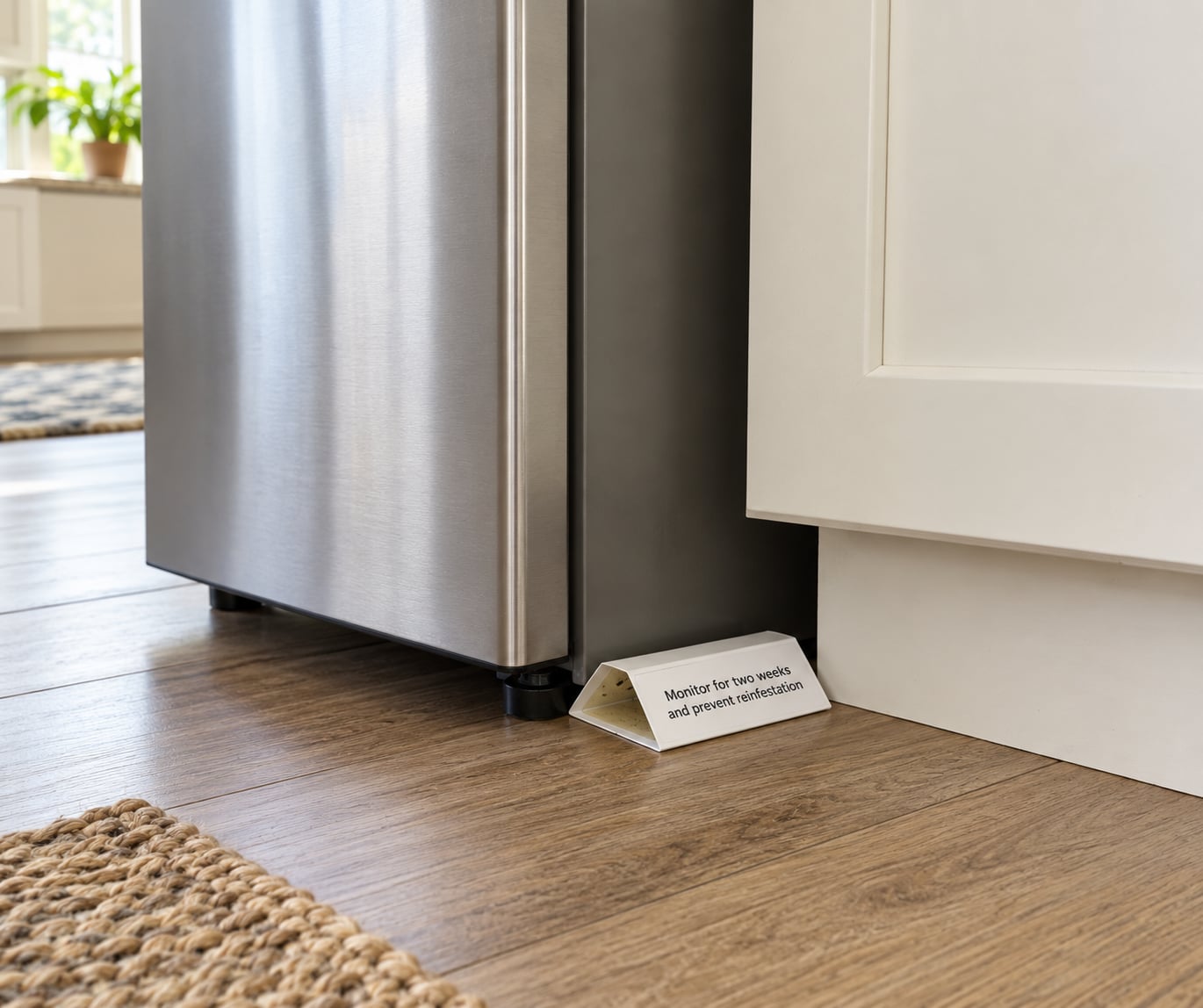
Two weeks of monitoring is how you know the treatment is working instead of guessing. Place sticky traps in the same spots you checked earlier, and keep a short written or phone log of what you see and when.
What a normal curve looks like: bait draws more roaches out than usual in the first few days, sightings peak around day three to seven, then drop sharply by week two or three. Nymphs are the last thing to go, so small brown roaches without wings appearing in the last week is progress, not failure.
Re-bait when the dabs dry out or get wiped by a damp cloth, and IGR stations are replaced every few months while activity continues. Keep the containers sealed, the sink dry and the sealed penetrations sealed. Anything you resealed within the first month or two is now your best early warning that a new gap opened.
Household sprays and plug-in repellers do not replace any of this. Ultrasonic devices in particular have no reliable evidence behind them and are a waste of money.
Common Mistakes
Almost every failed mobile home treatment I have seen comes down to one of these.
- Spraying over bait. Cleaner, aerosol or repellent residue on a bait dab makes it inedible. Fix: clean the surface first, let it dry, then re-bait.
- Using too much pesticide. Excess powder or spray repels roaches from the very harborage you want them in. Fix: a thin, even dust line and small separated bait dabs.
- Treating only the roaches you see. The ones visible at night are a fraction of the population. Fix: place bait and IGR stations in harborage and travel routes instead.
- Ignoring food and water. A damp under-sink cabinet and an uncovered cereal box will sustain a population through any treatment. Fix: fix the leak, seal the food, dry the sink nightly.
- Sealing baited areas shut without treating them first. You trap roaches inside a cabinet with no way out and no bait. Fix: treat, then caulk once surfaces are clean and dry.
- Stopping when activity slows instead of when monitoring is finished. Two quiet days means very little. Fix: keep traps down and log catches for a full two weeks.
- Using foggers or bug bombs. The vapor drives roaches into wall voids, outlet boxes and subfloor insulation, and in a mobile home there is a lot of subfloor insulation to hide in. Fix: skip them entirely.
- Skipping the underbelly. Interior-only treatment leaves the outdoor source untouched, which is why roaches reappear weeks later. Fix: treat the underside and the entry points where lines enter the floor.
One more worth naming: treating a neighbor’s unit without coordinating. In a park or an attached row, roaches travel through shared voids and pipes, so untreated neighbors keep restocking the problem.
Frequently Asked Questions
How long does it take to get rid of roaches in a mobile home?
A moderate indoor infestation usually drops noticeably in two to three weeks and clears closer to six, assuming bait, an IGR and sealing are done together. Sightings often rise for the first three to seven days as roaches come out for the bait. Outdoor species entering from the underbelly keep arriving until that side is sealed and treated, so sealing early matters more than spraying harder.
Is it safe to use roach bait in a mobile home with children or pets?
Gel bait, boric acid and insect growth regulators are among the lower-risk options available, and IGR products are designed for homes with children and pets. Still, keep people and animals out of the room until everything is dry and put away, never set bait where food or pet bowls sit, and store pesticides locked and out of reach. A mobile home is small and often well insulated, so ventilation while drying matters more than it would in a larger house.
Where should I place roach gel in a mobile home?
Place small dabs in harborage and travel routes: cabinet hinge corners, under the sink at the pipe entry, the back edge of shelves, behind the stove, behind and beneath the refrigerator, and along wall voids where lines enter the floor. Keep dabs separated and away from surfaces you wipe down. If a trap placed nearby catches nothing, roaches are not moving through that spot, so bait there is wasted.
Why do I still see roaches after using bug spray?
Most aerosol products are fast but short-lived and repel roaches into cracks, wall voids and appliance cavities, where you cannot reach them. A few survivors then breed again. Foggers make it worse in a mobile home because the vapor pushes roaches into subfloor insulation and outlet boxes. Gel bait, an IGR and a residual treatment applied to harborage and entry points solve the population instead of scattering it.
When should I call a pest professional for roaches in a mobile home?
Call a licensed pro when you see roaches during daylight hours, when droppings cover counters or cabinet shelves, when the infestation involves more than one unit or a neighboring home, when roaches are coming up through the floor or skirting faster than you can seal, or when you cannot access the crawl space or underbelly. Renters should have the landlord or park manager arrange it in writing rather than paying for treatment that gets undone next visit.
If you take one thing from this, start at the bottom of the home rather than in the kitchen. Seal the underbelly, the skirting seams and every pipe, wire and gas line penetration first, then put bait and IGR stations in the real harborage, and keep the traps down for two weeks so you know when it is actually over.