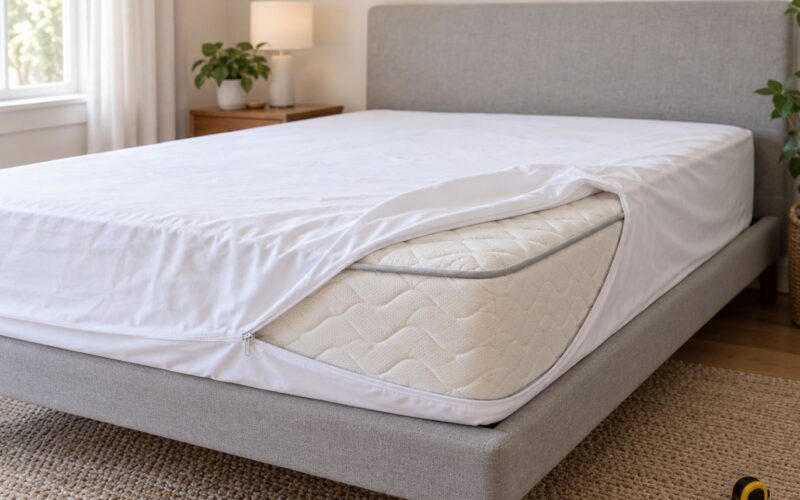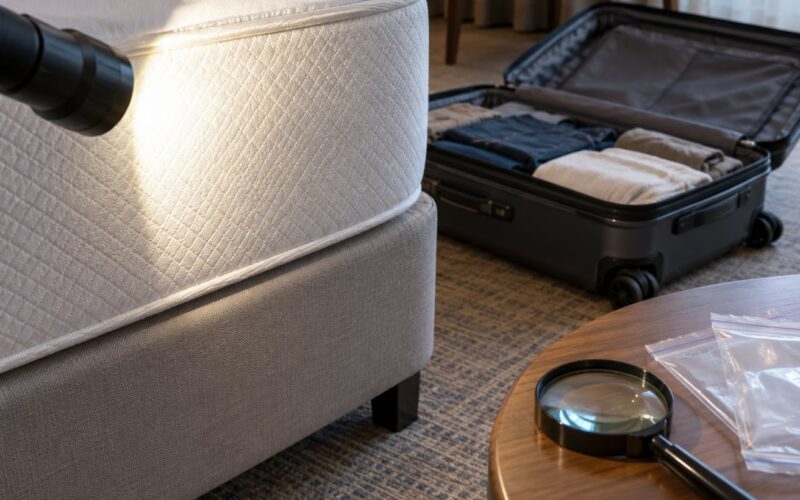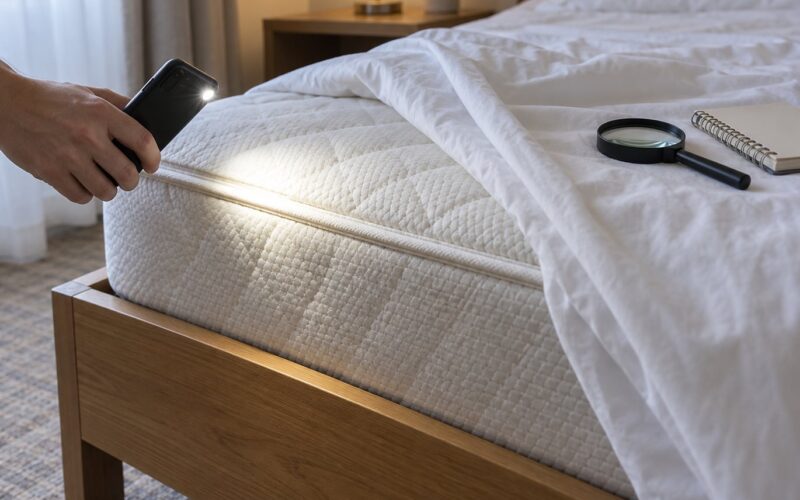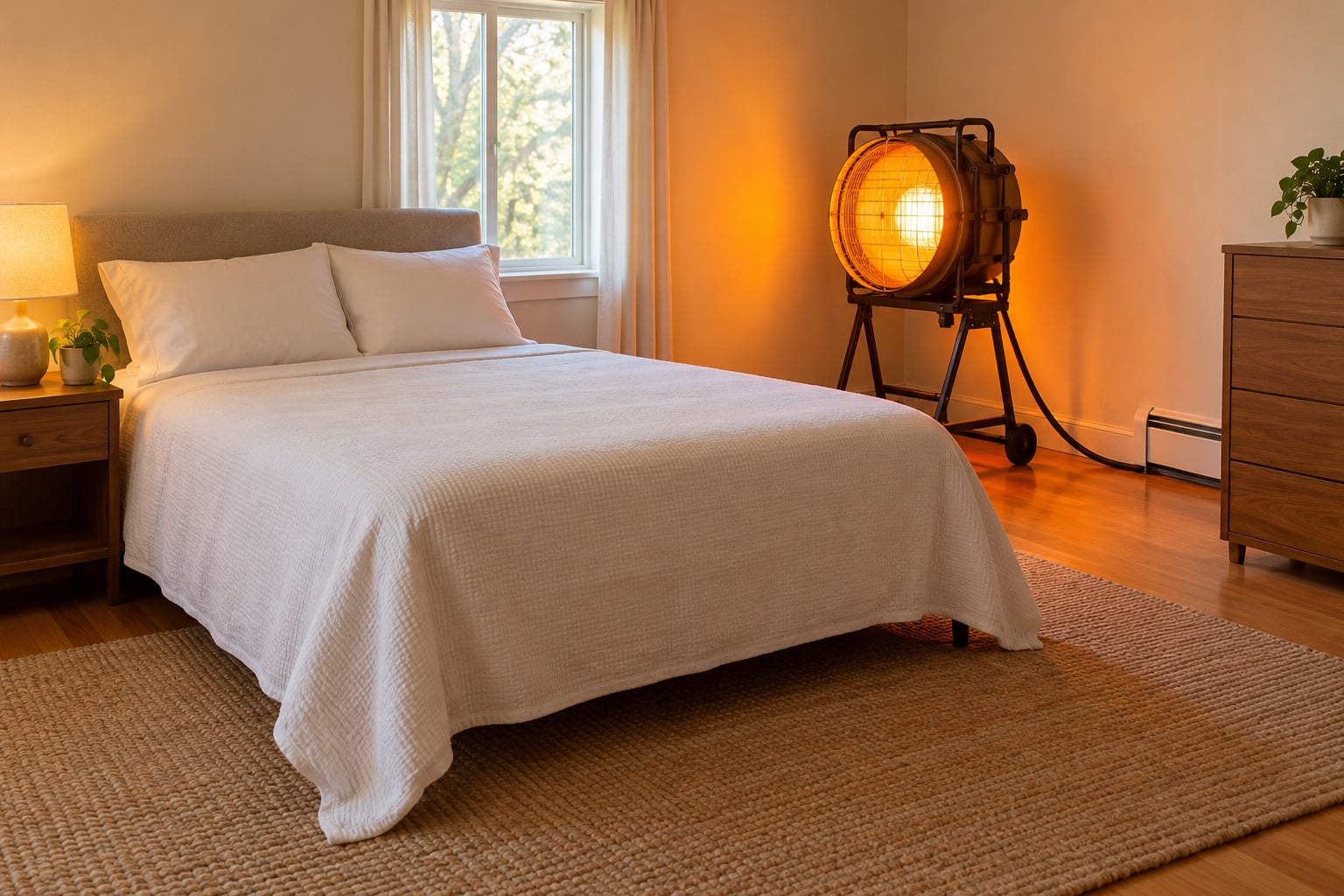
Heat treatment kills bed bugs by heating a room or an entire home to roughly 120-135F (49-57C) and holding that temperature for six to eight hours. The reading that matters is taken inside walls, mattresses and furniture, not from the thermostat on the wall. Understanding how heat treatment for bed bugs works matters because the difference between a probe-monitored job and a thermostat-only job is usually the difference between a solved infestation and a second visit.
Short version: commercial heaters flood the structure with heat, fans push that air into mattress seams, baseboard cracks and wall voids, thermocouples confirm the hidden surfaces reached lethal temperature, and the hold time does the killing. No pesticide is required, though many companies pair the two.
Last reviewed for 2026. Guidance here follows the general approach described by university extension entomologists and by the CDC and EPA, which treat heat as a legitimate option alongside chemical control.
Table of Contents
- What Is Heat Treatment for Bed Bugs?
- How Heat Treatment for Bed Bugs Works
- What Temperature Kills Bed Bugs?
- What Happens During a Bed Bug Heat Treatment?
- How Long Does Heat Treatment Take?
- What Should You Do Before Heat Treatment?
- Can You Do Heat Treatment Yourself?
- Does Heat Treatment Kill Bed Bug Eggs?
- What Should You Do After Heat Treatment?
- Frequently Asked Questions
- Is heat treatment effective for bed bugs?
- Can I stay in my home during bed bug heat treatment?
- How long after heat treatment are bed bugs gone?
- Should heat treatment be combined with other bed bug treatments?
- Does heat treatment damage furniture or electronics?
- How soon can I bring furniture back into the treated room?
- What To Do First
What Is Heat Treatment for Bed Bugs?
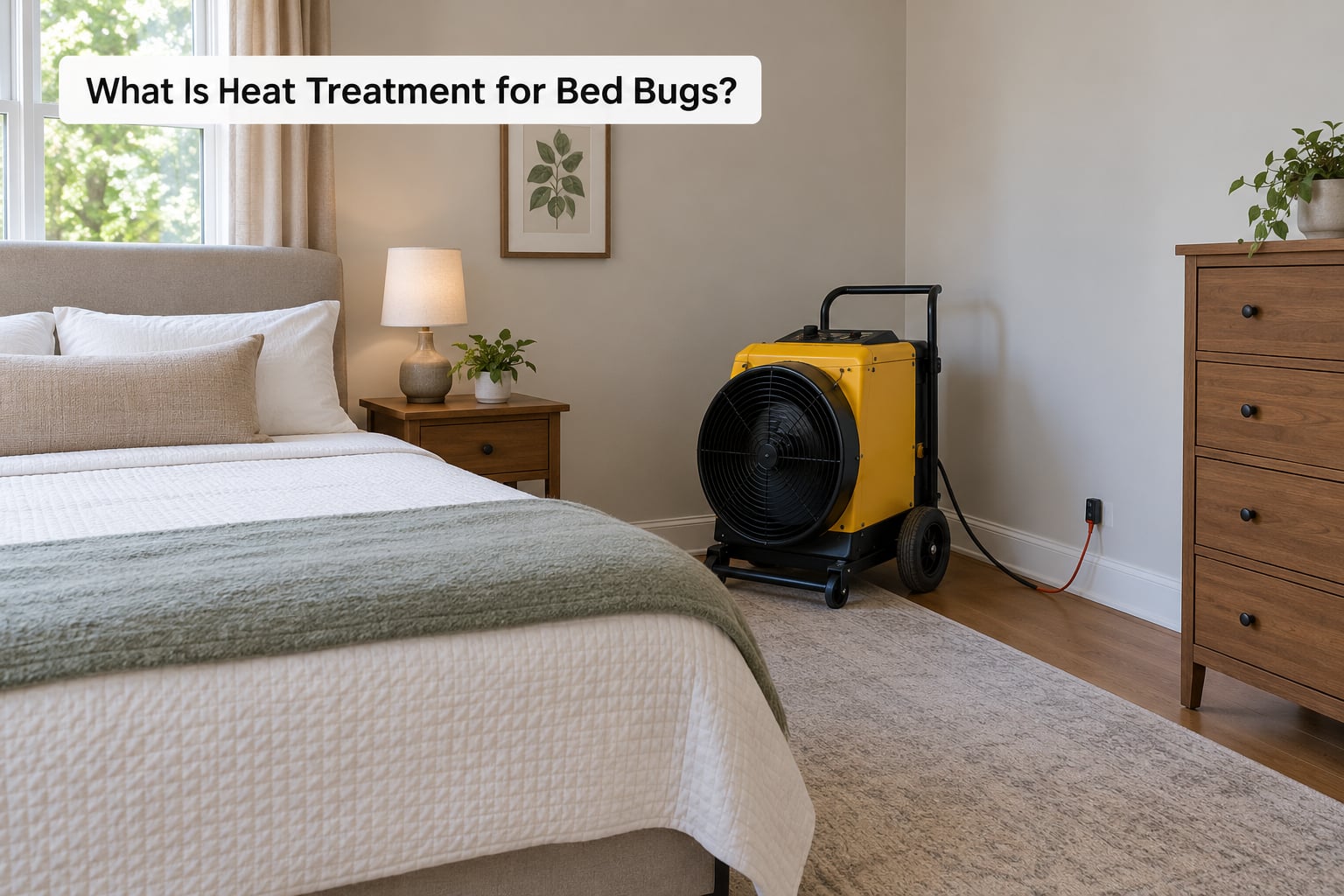
Bed bug heat treatment, usually called thermal remediation, is a professional process that raises the temperature of a space to a lethal range and holds it there long enough to kill every life stage. It is a controlled kill, not a search for individual bugs.
Commercial operators use propane or electric heaters, sometimes fitted into an air blower that pushes heated air along the floor and up the walls. Fans circulate that air so the temperature equalises across the whole space rather than pooling near the ceiling.
Three practical differences set it apart from spraying. There is no pesticide residue left on your mattress or in your child’s bedroom, it is normally finished in a single visit, and it reaches hiding places a spray droplet never touches.
Whole-structure, whole-room or a single heat chamber
A whole-structure treatment heats the entire home or building at once. That matters more than it sounds: bed bugs move to whatever room is coolest, so heating one bedroom while the rest of the house stays comfortable is a good way to relocate the infestation instead of removing it.
A whole-room treatment is a smaller version of the same job, often used when an infestation is confirmed in one bedroom and adjoining rooms. A portable heat chamber, the trailer-style unit some companies bring, is a tent that goes over a bed, box spring or sofa and treats that one piece of furniture in isolation.
How Heat Treatment for Bed Bugs Works
Why sustained heat kills a bed bug
A bed bug is a soft-bodied ectotherm with no shell, no fur and no waxy coating to insulate it. Its body temperature simply rises with the air around it, and it cannot move away from a heat source quickly enough when that source is the entire room.
Prolonged exposure breaks it down in stages. Body proteins denature and stop working, cell membranes lose their integrity, and moisture leaves the small body faster than it can be replaced, which dries it out. In entomology this relationship is drawn as a thermal death curve: lethal dose is temperature multiplied by time.
That curve is the practical point. A room at a lower temperature is not a safe room, it is a slower treatment, and treatment times are set from that curve.
Why the bugs cannot simply hide from it
The air is only the delivery mechanism. Once the air is hot, conduction carries that heat into solid materials, so the inside of a mattress, a baseboard, a headboard and a wall void all come up to temperature too.
Technicians work during the hold for this reason: they turn mattresses, stand box springs on end, pull drawers open, and shift clothing and cushions so moving air can reach the seams where bed bugs actually sit.
Core temperature versus room temperature
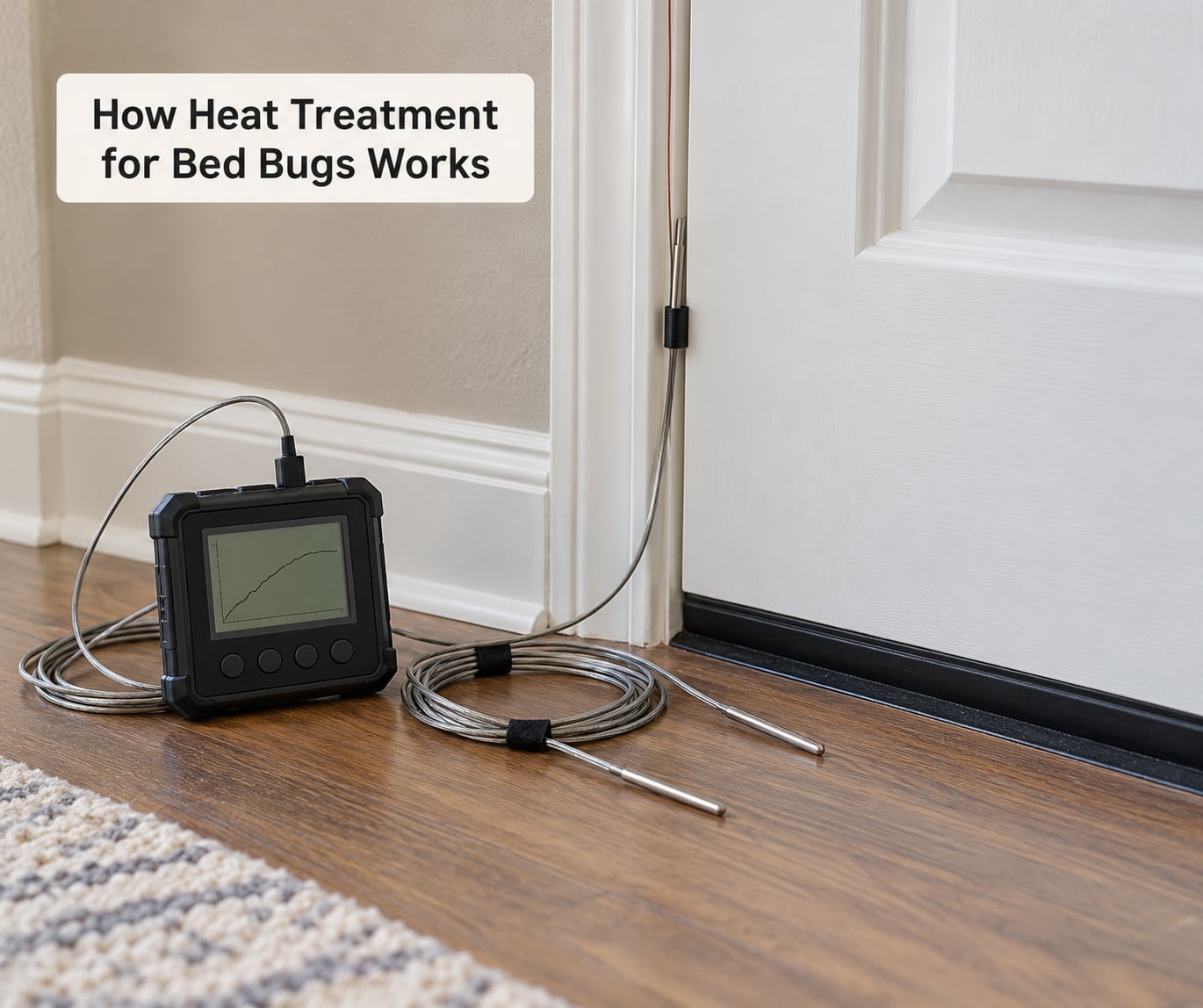
This is the single most misunderstood number in the whole process. Air temperature is what you feel and what a thermostat reads; core temperature is what a probe taped inside a wall cavity or pushed into a mattress seam actually reads. Only the second one kills anything.
Good operators place probes in representative hiding spots, log the readings on a data logger, and give you that record afterwards. The curve they produce, rising into the target range and holding it, is the real evidence the job worked.
| Temperature reached inside walls and furniture | Hold time | What it means |
|---|---|---|
| Around 100F (38C) | Several hours | Where many bugs begin to die, but far too unreliable to count as a treatment |
| 120-125F (49-52C) | 6-8 hours | The most common commercial operating target |
| 125-135F (52-57C) | 6-8 hours, sometimes shorter | Upper end used where the structure and its contents can take it |
What Temperature Kills Bed Bugs?
About 120-135F (49-57C), measured inside walls, mattresses and furniture, held for six to eight hours. Exact specifications depend on the equipment, the provider and the building, and a heavier structure or thicker masonry can push the hold time toward the long end.
The number homeowners get from a thermostat is the 100F figure, and it is the most misleading one in the trade. A room heated to 100F will feel uncomfortably hot while the inside of a box spring in a cool corner is still in the 80s.
Ask what temperature the probes read, not what the thermostat is set to. If the provider cannot show you probe placement or a logged curve, that is the whole conversation right there.
What Happens During a Bed Bug Heat Treatment?
The job runs in stages, and each one exists because skipping it ruins the result.
- Inspection and scoping. The technician confirms the infestation, finds where the evidence is concentrated, and decides whether the whole structure, one floor or a single unit gets treated.
- Preparation. Your job: bag clothing and linen, clear food and pets out, remove heat-sensitive valuables. Items in the treated area are usually asked to stay exactly where they are.
- Sealing and equipment setup. Doorways are sealed so heat does not leak into untreated parts of the building, heaters and fans are positioned, and probes are placed in walls, mattresses and furniture.
- Heating ramp. The structure comes up to temperature. Slow ramps are the norm because thick materials, concrete and stored belongings absorb heat before it gets back out.
- Hold period. The target is maintained for six to eight hours. Technicians check readings and reposition mattresses, drawers and clothing during this stretch.
- Cool down. Heating stops and the building is left to return to a safe temperature on its own. Ventilation is usually left open.
- Verification. An inspection follows, sometimes with monitors or interceptor traps placed under bed legs, plus a written record of the temperature curve and a scheduled follow-up.
How Long Does Heat Treatment Take?
Budget most of a day. Setup and sealing commonly take an hour or two, the ramp another hour or two, the hold runs six to eight hours, and cooling adds a few more before anyone is allowed back in.
Distinguish the treatment day from the result. One day is the treatment; confidence that the infestation is finished comes from the verification inspection and the follow-up interval, not from walking out at nightfall.
Plan on being out of the home for the whole day and into the evening, and arrange somewhere for children, pets and anyone heat-sensitive to stay.
What Should You Do Before Heat Treatment?
Preparation is where most self-inflicted treatment failures start. People tidy too much, and tidying moves bugs out of the heat.
- Bag everything soft. Clothing, towels, bedding and shoes go into sealed bags that stay closed until after inspection.
- Do not move belongings out of the structure unless the provider tells you to. Items carried to a spare room or a car give survivors a warm refuge to walk back from.
- Document the infestation first. Photograph every stain, seam and live bug you can find with a date. It is the only honest before-and-after you will get.
- Take out food, medication, plants and pets. None of them belong in a room held at 130F for eight hours.
- Remove lithium batteries and electronics. Laptops, phones, tablets, power tools, e-bikes and anything with a swollen battery come out of the treated area.
- Ask what can stay. Get the provider’s preparation list in writing a few days ahead, and follow it rather than your own idea of tidying.
What heat treatment can damage
Most belongings are fine, and serious damage is uncommon in a job done properly. The categories worth asking about are glued or veneered furniture that can delaminate, vinyl and rigid plastics that may soften or warp, glossy paint finishes that can go matte, thin electronics, mattresses with glued components, and houseplants, which simply die.
Pets and people do not stay in a room at treatment temperature. Neither do candles, matches, gas fireplaces or anything else that burns.
Can You Do Heat Treatment Yourself?
Not the real thing, and it is worth being blunt about why. A bedroom can be closed off and stuffed with space heaters, but you will not hold a monitored temperature inside a hollow-core door, a baseboard cavity and a foam mattress at the same time, and you will have no idea when you have.
The failure modes are physical, not just biological. Propane heaters in a sealed room bring carbon monoxide risk, exposed elements near curtains start fires, and a candle or a lit fire left in the room is a genuine hazard. Household heat also damages batteries, adhesives and paint finishes long before it reaches lethal conditions.
What you can safely do on your own is smaller and still useful: wash bedding and clothing on a hot cycle and dry them on high, seal items in bags for an extended period, and steam mattress seams and furniture joints. Those steps knock back an infestation, they do not clear one.
If the infestation is contained to a single bed or sofa, a rented portable heat chamber is a legitimate middle option. Treat that furniture, then keep checking for activity in the room around it.
| Method | What it handles well | Main limitation |
|---|---|---|
| Professional heat | Whole structure, all life stages, one visit, no residue | Needs heavy equipment, probes and a day away from home |
| Chemical treatment | Targeted spot work and follow-up kills | Multiple visits over weeks; eggs and resistant strains often survive |
| Heat plus residual insecticide | Immediate kill plus protection against reinfestation | Only worthwhile if you want the residue in the room |
| Freezing | Unheated items, vehicles, stored furniture in a cold climate | Slow, and useless in most of the country outside winter |
| DIY heater setup | Nothing reliably | Fire, carbon monoxide and damage risk; no verification |
Does Heat Treatment Kill Bed Bug Eggs?
Yes, when the heat reaches the eggs and stays there long enough. Eggs are the hardest stage to kill, and the six-to-eight-hour hold is the reason heat can clear an infestation in one visit rather than three.
An egg is small, sealed and sits in a seam where the temperature runs lower than the air around it. A short, hot blast often kills adults and leaves eggs untouched. The thermal death curve resolves this: eggs need either more temperature or more time, which is why the hold time is not negotiable and why a technician who reaches target temperature quickly and finishes at lunchtime has skipped the part that matters.
Even a successful treatment is not the end of the verification conversation. Eggs hidden inside a heat sink, such as a concrete slab, a basement wall or a thick masonry cavity, may never have reached lethal temperature at all. Ask what the probe record shows for those locations, and keep the follow-up inspection.
What Should You Do After Heat Treatment?
Follow the provider’s instructions exactly, and keep everything bagged until they tell you otherwise. Laundry is the single most common way a cleared building gets reinfested.
Why you might still see bed bugs after treatment
Seeing a live bug shortly after a valid heat treatment is common and does not by itself mean the job failed. There are four ordinary explanations.
- Survivors from an untreated neighbouring unit, especially in apartments and condos with common walls.
- Bugs moving during the ramp and the cooldown, when doors and bags are opened before the structure is fully sealed.
- Eggs that never reached lethal temperature inside a cool cavity or heat sink.
- External reintroduction, through secondhand furniture, a suitcase, or a visitor who brought them in from another building.
That is why the follow-up inspection exists. Ask for it in writing when you book, and ask about a retreatment warranty at the same time. Companies that probe properly, provide a written temperature log and offer a free re-treatment if live bugs are found are the ones worth hiring.
Frequently Asked Questions
Is heat treatment effective for bed bugs?
Yes, when the right temperature is reached inside walls, mattresses and furniture and held there. Heat is the only treatment that reliably kills adults, nymphs and eggs in a single visit, and it leaves no pesticide residue behind. Its effectiveness depends far more on preparation and probe-monitored hold time than on the brand of equipment used, so ask to see the logged temperature curve.
Can I stay in my home during bed bug heat treatment?
No. Rooms are held well above 120F for most of a day, which is dangerous for people and animals. Plan to be out from the moment the crew starts sealing until the structure has cooled and the provider clears you to return, usually the following morning. Arrange somewhere else for children, pets, elderly relatives and anyone with a heat sensitivity.
How long after heat treatment are bed bugs gone?
If the treatment reached lethal temperature everywhere it needed to, the infestation is cleared during the hold, not afterwards. What takes longer is proving it. Expect a verification inspection, possible monitors under bed legs, and a follow-up interval of a few weeks before you treat the home as cleared. Bugs reappearing in that window usually came from an untreated neighbouring unit.
Should heat treatment be combined with other bed bug treatments?
Often, yes. Heat kills what is present but leaves no residual protection, so many companies apply a residual insecticide during the same visit for protection against reinfestation. The heat does not degrade those products at treatment temperatures. Follow-up chemical spot treatments are also routine for any activity found after the inspection.
Does heat treatment damage furniture or electronics?
Most belongings come through fine, but glued or veneered furniture can delaminate, vinyl and rigid plastics may soften, and glossy paint can lose its sheen. Take out laptops, phones, tablets, batteries, power tools and anything swollen. Plant life will not survive, and pets and people cannot stay in the treated area during the hold.
How soon can I bring furniture back into the treated room?
Furniture that was never removed can go back once the room has returned to a safe temperature and the provider has inspected it. Items you took out of the building should not return yet, because they can carry surviving bugs in with them. Keep clothing and linen sealed in bags until the follow-up inspection confirms the home is clear.
What To Do First
Confirm the infestation before you pay anyone, photograph the evidence, and ask two questions of every quote: what temperature will the probes read inside the walls and mattresses, and how long will you hold it. If the answers come back vague, walk away.
Once heat treatment for bed bugs is booked, the single most useful thing you can do is follow the preparation list exactly, especially the part about leaving belongings where they are. The heat is the easy part; the discipline around it is what decides whether you are done in one visit or two.