How to protect a deck from termites comes down to two things: break every continuous path of wood touching soil, and keep that wood dry. Subterranean termites travel from the ground up through sheltered mud tubes, so a deck with posts buried in soil and a damp crawl space underneath is handing them a highway. Spraying the boards does almost nothing about either condition.
A weekend of inspection plus a day of drainage work handles most preventive jobs, and the whole inspection takes about an hour once you know where to look. If you find mud tubes, hollow-sounding joists or soft post bases, stop there and call a licensed termite applicator rather than tearing out boards on your own. This guide was checked against current extension guidance in 2026.
Table of Contents
- What You Need
- Step-by-Step
- Common Mistakes
- Frequently Asked Questions
- Will termites go after pressure-treated deck wood?
- How long does pressure-treated lumber keep termites away?
- Can termites eat Trex or composite decking?
- How long does borate treatment last on deck lumber?
- Should I destroy termite mud tubes I find under my deck?
- How do I protect a deck from termites without hiring anyone?
- Conclusion
What You Need

Inspection gear is cheap and mostly already in a garage. A bright flashlight, a flat-head or Phillips screwdriver for probing, a hand lens, and a moisture meter tell you more than any product you can buy.
- Inspection kit: flashlight, hand lens, screwdriver or pry bar, moisture meter, work gloves, knee pads, camera or phone for photos.
- Moisture and drainage gear: garden rake, wheelbarrow, gravel or drainage stone, landscape fabric, French drain pipe or an exterior drain line, shovel, wood grade stakes.
- Repair lumber: ground-contact-rated posts and beams, exterior-rated deck boards, pressure-treated stair stringers, stainless steel or hot-dipped galvanized fasteners.
- Treatment materials: borate solution such as Bora-Care or Timbor for cut ends and dry lumber, exterior end-grain sealer, penetrating oil-based stain applied to dry wood only.
- Personal protection: eye protection, gloves, long sleeves, and a dust mask when cutting old treated lumber.
Two rules before you buy anything. Follow the product label exactly, since pesticide misapplication is illegal in most states. And keep any treatment chemical away from wells, ponds, storm drains and children or pets, using it only where the label permits.
Step-by-Step
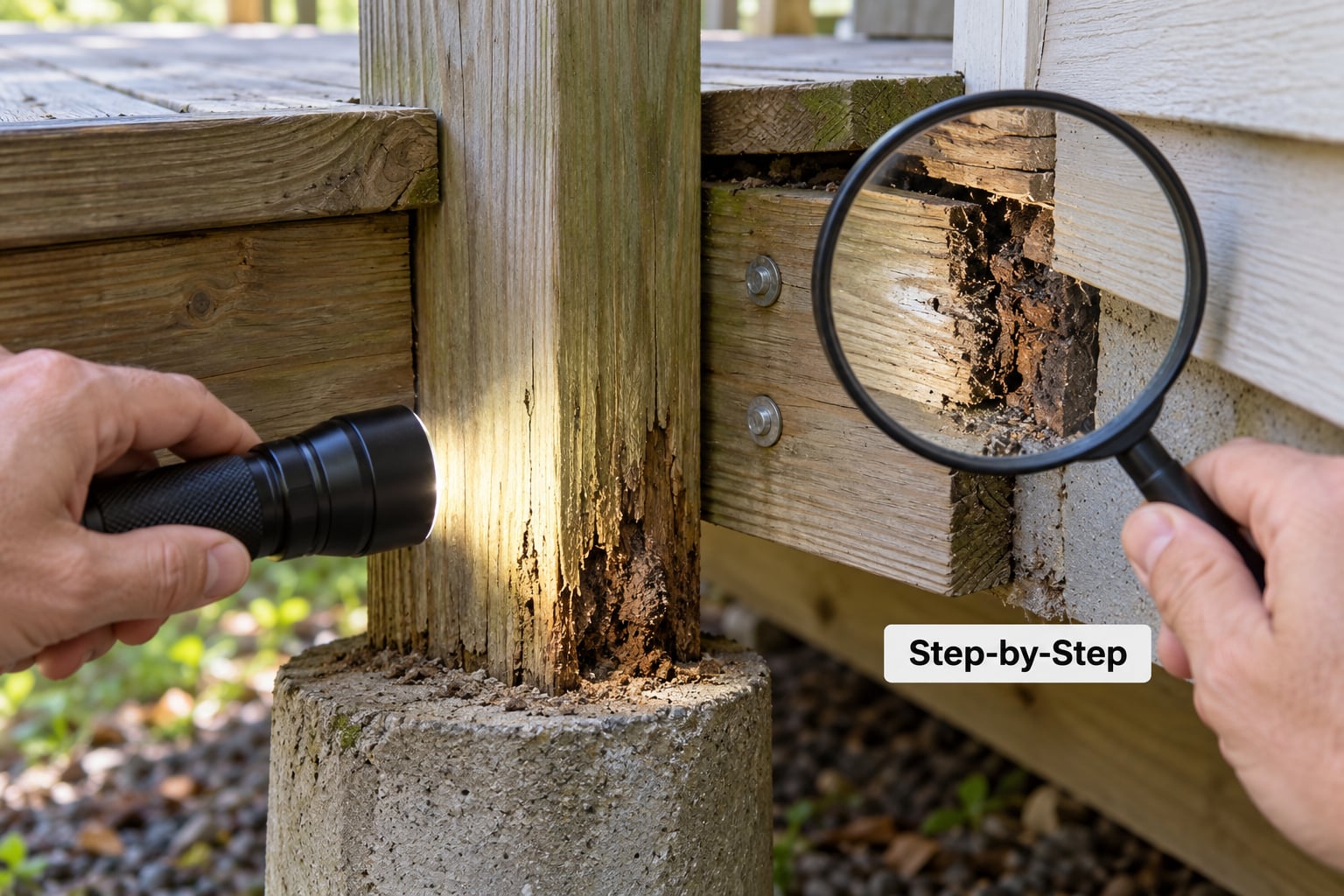
Decks fail differently from the rest of a house. A wall or crawl space rarely touches soil directly, but a deck post is often set in a concrete collar or pushed straight into the ground on purpose. On an attached deck, the ledger board where the rim joist meets the house framing is the highest-risk junction on the whole structure, and the deck itself hides it from view.
Work through these steps in order. Each one removes a condition termites need, and skipping ahead to treatment wastes money and time.
How to Inspect Your Deck for Signs of Termites
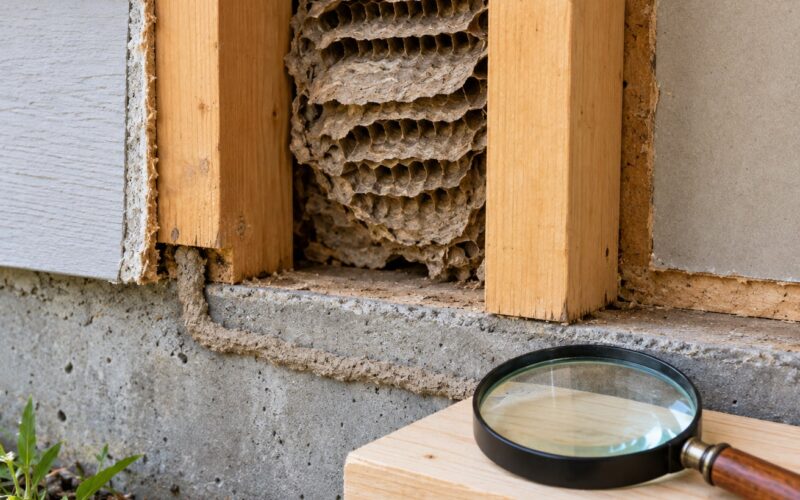
Start at the posts and work outward. Termites enter where wood meets damp soil, at cut ends that were never sealed, and at the ledger connection where a deck meets the house framing. Check each post base, joist end, stair stringer, fascia board and any concealed connection you can reach with a light.
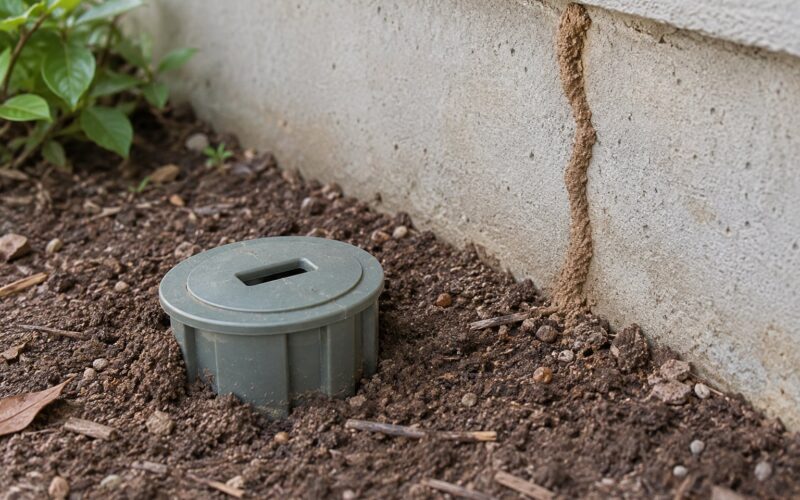
Look for warning signs that mean something. Mud or shelter tubes running up a post or along a joist are active travel routes. Soft, hollow-sounding posts that flex under a boot are structural. Frass piles of light brown pellets below a member point to an active gallery. Swarming winged ants indoors in spring mean a colony near the deck is looking for a new nest site, and homeowners in r/Decks keep asking whether that means their deck is already compromised. It does not, but it means inspect this week.
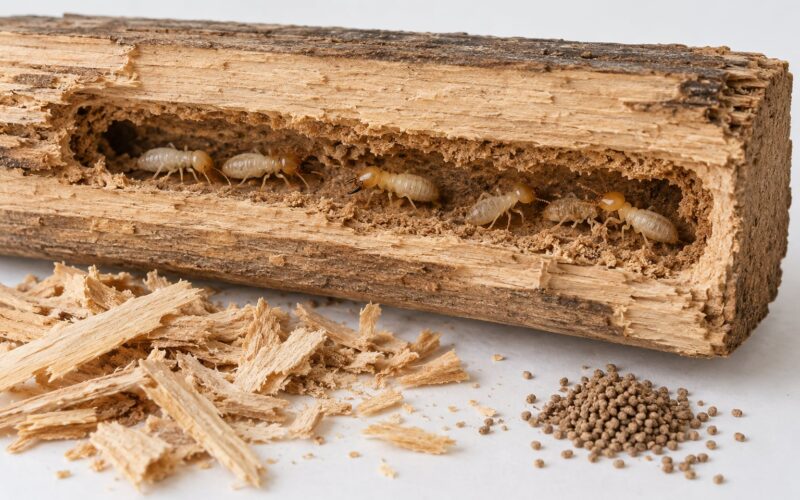
Use a screwdriver to probe suspect wood. Sound wood resists and feels solid. Termite-damaged wood is hollow inside, and galleries are lined with smooth, pale, sand-finished surfaces with hexagonal caps. Rot looks different: brown, crumbly, fibrous, and damp, often right under a downspout or a potted plant. Homeowners on r/Decks and r/HomeImprovement cannot tell these apart by eye, and treating rot when you have termites, or the reverse, wastes the whole budget.
Run the moisture meter on posts, joist ends and the underside of deck boards. Anything above about 15 percent needs drying before anything else happens. Leave mud tubes in place while you photograph them. They map the colony’s route, and the fix belongs on that route rather than on the tube itself.
Reduce Moisture and Hidden Food Sources
Termites need damp soil and a route to wood. Fix drainage and you remove both at once, which is why this step does more than any product you can spray.
- Grade the soil away from the house. A two percent slope over ten feet moves water out from under the deck instead of pooling against it.
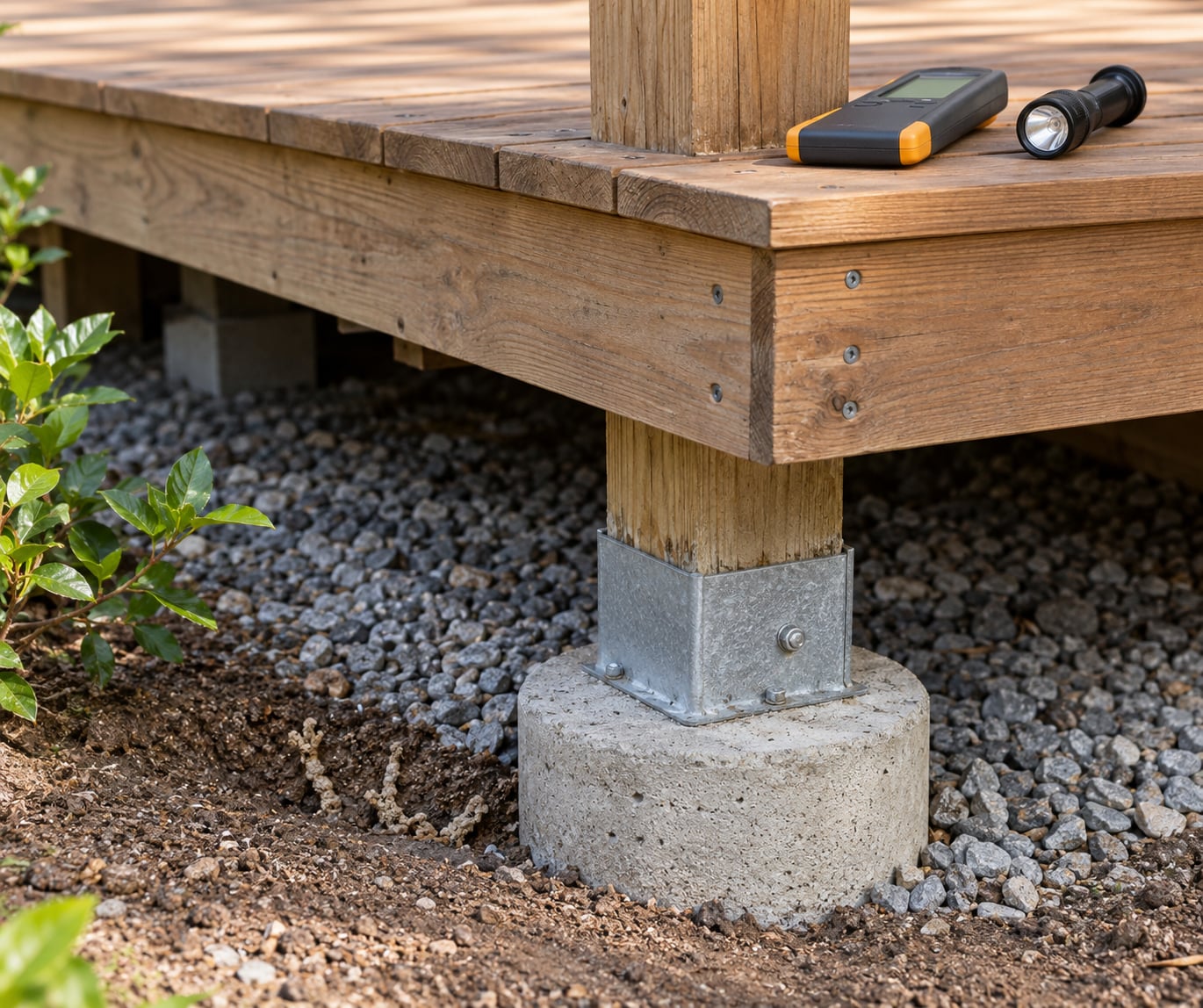
- Build a drainage bed. Pea gravel over landscape fabric lets air move under the deck and keeps soil from wicking into post bases.
- Run a French drain or an exterior drain line under the deck when a slope alone will not carry water away.
- Keep a six-inch visible gap between soil, gravel or mulch and the underside of the framing so you can see and reach the ground. Eighteen inches of clearance is better where you can get it.
- Leave the area open for airflow. Skirting that reaches the ground traps humidity and hides damage.
- Aim irrigation away. A sprinkler head wetting the underside of the boards creates the damp pocket termites hunt for.
- Move stored material. Keep firewood, lumber offcuts, planters and cardboard boxes away from the deck and stored well clear of the house, following the eighteen-inch rule used for attached structures.
- Pull mulch back from post bases and cut vegetation away so shaded, damp soil does not sit against the wood.
Extension guidance from the University of Kentucky and Mississippi State both puts moisture and clearance ahead of chemicals. On most decks, the biggest risk sits underneath, not on the surface.
Repair and Seal Vulnerable Wood
Once damage is confirmed, remove the compromised members rather than treating around them. A hollow joist end is a structural problem long before it is a termite problem.
Replace posts, beams and stringers with lumber rated for ground contact, and use metal post bases on concrete piers instead of burying wood in a collar. Treat every cut end and drilled hole with borate solution, let it dry, then cover the end grain with an exterior end-grain sealer. Cut ends and bored holes are untreated interior wood, which is exactly where termites get in on otherwise protected lumber.
Use stainless steel or hot-dipped galvanized fasteners. Standard electroplated screws corrode quickly inside treated lumber, and a corroding fastener hole holds moisture right where you do not want it.
Do not caulk or paint over damp wood. If a deck was built before 2004, some of the lumber may be CCA-treated, and CCA was phased out of residential use that year. Never sand, saw casually or burn that wood. Wear a respirator when cutting it and plan on replacing members you are taking out anyway.
Install Barriers and Consider Professional Treatment
Barriers work because they break the line between soil and wood. Picking the right material comes down to where the wood sits and how much of the deck touches the ground.
- Pressure-treated pine: a good deterrent, not a true barrier. Best for posts, beams, stringers and anything in ground contact. Watch for untreated cut ends and drilled holes.
- Cedar, redwood and cypress: natural heartwood resistance, best on deck boards, railing and trim above grade. Less reliable in ground contact, and availability varies by region.
- Composite or PVC decking: not a food source at all, so it suits surface boards on any span. The frame underneath is still wood and still vulnerable.
- Borate-treated lumber: excellent while the wood stays dry, which makes it right for cut ends, sealed joints and stored dry lumber. It leaches out with constant moisture and is not for ground contact.
- Metal or concrete supports: removes the food source entirely and works well in post bases, piers and footings. It costs more at build time than wood.
For borate on your own lumber, apply a borax-based solution such as Bora-Care or Timbor with a brush, or soak small pieces, then let the wood dry fully before assembly. Borate diffuses through dry wood and stays put as long as it stays dry, which means re-treatment every few years on exposed or drilled members. It is the wrong choice for a post sitting in wet soil.
Physical barriers work too. A termite shield cap fitted to the top of a pier forces mud tubes to bridge over an exposed surface, and stainless steel mesh over entry points stops small-bodied workers from passing. Both are simple insurance at build time and pointless retrofitted to a deck already in the ground.
Soil treatments, bait stations and direct wood treatments with fipronil, bifenthrin or imidacloprid products are professional tools applied by a licensed applicator under label direction. Fumigation is rare for a deck and usually unnecessary when the structure can be reached from outside. This is the point to stop and call a licensed termite professional: mud tubes on a post, joists that sound hollow, a sagging stair, or swarmers inside the house.
Maintain a Termite-Resistant Deck
A deck that stays dry stays boring, and boring is the goal. Thirty minutes twice a year is enough for most homes.
- Early spring, before the rains: check every post base, the ledger connection and the underside of the stairs with a flashlight.
- After heavy rain or a freeze: look for standing water, saturated soil against posts, and dripping downspouts.
- Fall: clear leaves, debris and stored items from under the deck so air can move and you can see the ground.
- Annually: re-run the moisture meter on post bases and joist ends, and keep a six-inch clear gap.
- Before finishing wood: let it dry below 15 percent moisture and use a penetrating oil-based stain rather than a film-forming paint.
- Every time: take dated photos of the same post bases and the ledger joint so year-to-year change is visible.
Glue bait stations or cardboard monitors near posts give you a read on local activity, but they are a monitoring tool, not a treatment on their own.
Common Mistakes
Most failed decks share a handful of mistakes, and each one is cheap to avoid.
- Sealing a damp deck. Film-forming stain or paint over wet wood traps moisture and locks in the conditions termites want.
- Spraying before you identify. Treating rot as termites, or spraying the boards while the actual colony runs through buried posts, wastes money and hides the real entry point.
- Filling the gap between deck and house with expanding foam. It is not a termite barrier, and it traps water in the joint you were trying to protect.
- Ignoring soft posts. A post that gives at the base is a structural and safety issue before it is an insect issue.
- Burying offcuts and burying scrap in the yard. Treated scraps stacked on site are common colonies’ first food source.
- Stacking firewood against the deck or house. Move it well away and keep it off the ground.
- Treating mulch or paint as a solution. Mulch holds moisture against the wood, and paint does nothing for buried ends.
- Pulling out mud tubes and stopping there. Break the tube and the colony simply routes around it.
- Sanding or burning pre-2004 lumber. Possible CCA wood should be handled with a respirator and handed off, not refinished.
Frequently Asked Questions
Will termites go after pressure-treated deck wood?
Yes. Pressure-treated lumber slows termite attack but does not prevent it, and termites do eventually work through treated wood. Cut ends, drilled holes and the buried portion of a post are untreated interior wood, and those are the usual entry points. Keep the wood off the soil and dry, and treat every cut end with borate and an exterior sealer.
How long does pressure-treated lumber keep termites away?
It depends on the retention level, the species treated and whether the wood stays dry. Lumber rated for ground contact holds its preservative far longer than above-grade treated wood. Exposure to standing water and repeated wetting accelerates loss, which is why drainage and clearance do more for longevity than any product you add later.
Can termites eat Trex or composite decking?
No. Composite and PVC decking are not cellulose, so termites cannot feed on the boards themselves. The frame underneath still is wood, and termites routed through joists, ledger boards and posts will hollow them out while leaving the surface boards looking fine. When you replace decking, check the framing and post bases, not just the material you are installing.
How long does borate treatment last on deck lumber?
Borate keeps working as long as the treated wood stays dry, because the preservative diffuses through the cells rather than sitting on the surface. Constant moisture leaches it out, so borate is wrong for posts in soil or any member that stays wet. Re-treat drilled holes, cut ends and damp-prone surfaces every few years.
Should I destroy termite mud tubes I find under my deck?
Leave them until you have photographed them. A mud tube shows the route the colony is using, and the fix belongs at that route rather than on the tube. Breaking it often just causes the colony to build another one nearby. Break the wood-to-soil connection, fix the moisture, and treat the structure through a licensed applicator if activity continues.
How do I protect a deck from termites without hiring anyone?
Start with the conditions rather than the chemicals. Break wood-to-soil contact at every post, keep a six-inch inspection gap, grade and drain the ground underneath, move stored lumber and firewood away, and treat cut ends and holes with borate and a sealer. That DIY work solves most early cases. Call a licensed applicator when you find mud tubes, hollow-sounding joists or swarmers indoors.
Conclusion
Start at the post bases and the ledger connection with a flashlight and a screwdriver, then fix the conditions instead of the symptoms. Break wood-to-soil contact, dry out and vent the space underneath, keep stored material away, and seal cut ends on any wood that stays in place.
Photograph what you find so you can compare next year. When you see mud tubes, hollow joists, soft posts or swarmers inside, that is the signal to call a licensed termite professional and stop treating the deck yourself. US EPA and university extension guidance agree on that boundary.