Mosquitoes are not coming for your pool water. They are coming for the damp deck, the rainwater sitting on your cover, the floating toys and the planters around the edge. To learn how to keep mosquitoes away from a pool, the fix is simple: remove standing water, keep the water moving and chlorinated, and clean the surfaces where mosquitoes actually lay their eggs. Most of this takes an hour a week once the setup is in place.
Pool owners on r/swimmingpools say it best, and I agree: you cannot chlorinate your way out of mosquitoes. Chlorine handles the pool. Everything around the pool is your job.
What You Need
Gather these before you start, so the routine is never an interruption halfway through. Most owners set this up once and it carries through the 2026 season.
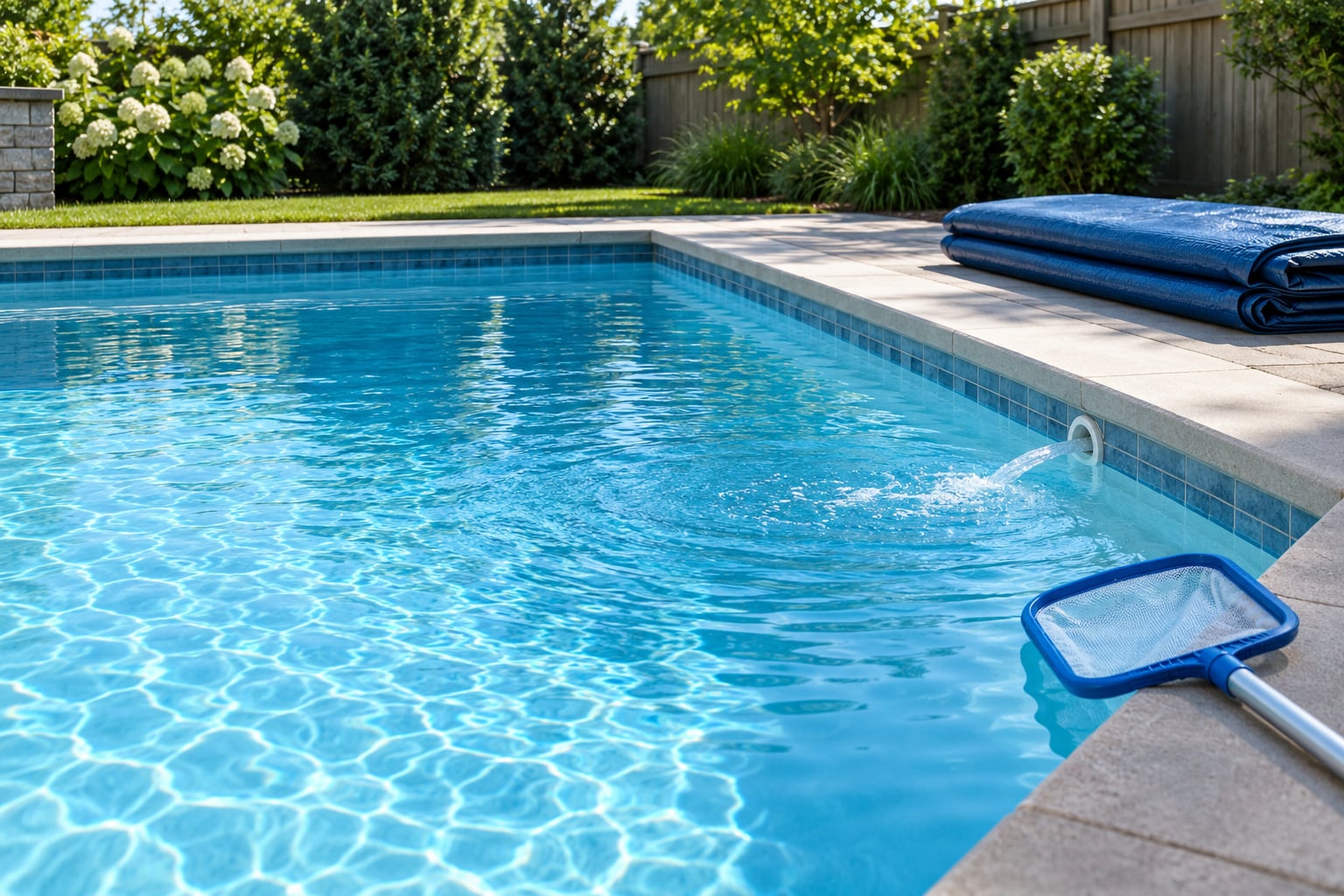
- A skimmer and spare skimmer socks for daily surface debris, plus a leaf net for the deck.
- A test kit or strips and access to your pump controls, ideally with a timer or remote so circulation runs on a schedule without you.
- A fitted pool cover and, ideally, a cover drain pump so rain runs off instead of pooling on top.
- BTI mosquito dunks or bits labeled for the specific water body. BTI is short for Bacillus thuringiensis israelensis, a bacterium that kills mosquito larvae while they are still in the water.
- An aerator, water wiggler or fountain pump if you have a hot tub, fountain, birdbath or kiddie pool.
- A wet vac or hand pump for low spots on the deck and in the splash zone.
- An EPA-registered personal repellent and a light long-sleeve layer for the evening swims when mosquitoes are most active.
If the pool is only part of the problem, the same water-control logic carries to the rest of the yard: birdbaths, planters, toys and tires all work the same way.
Step-by-Step: How to Keep Mosquitoes Away from a Pool
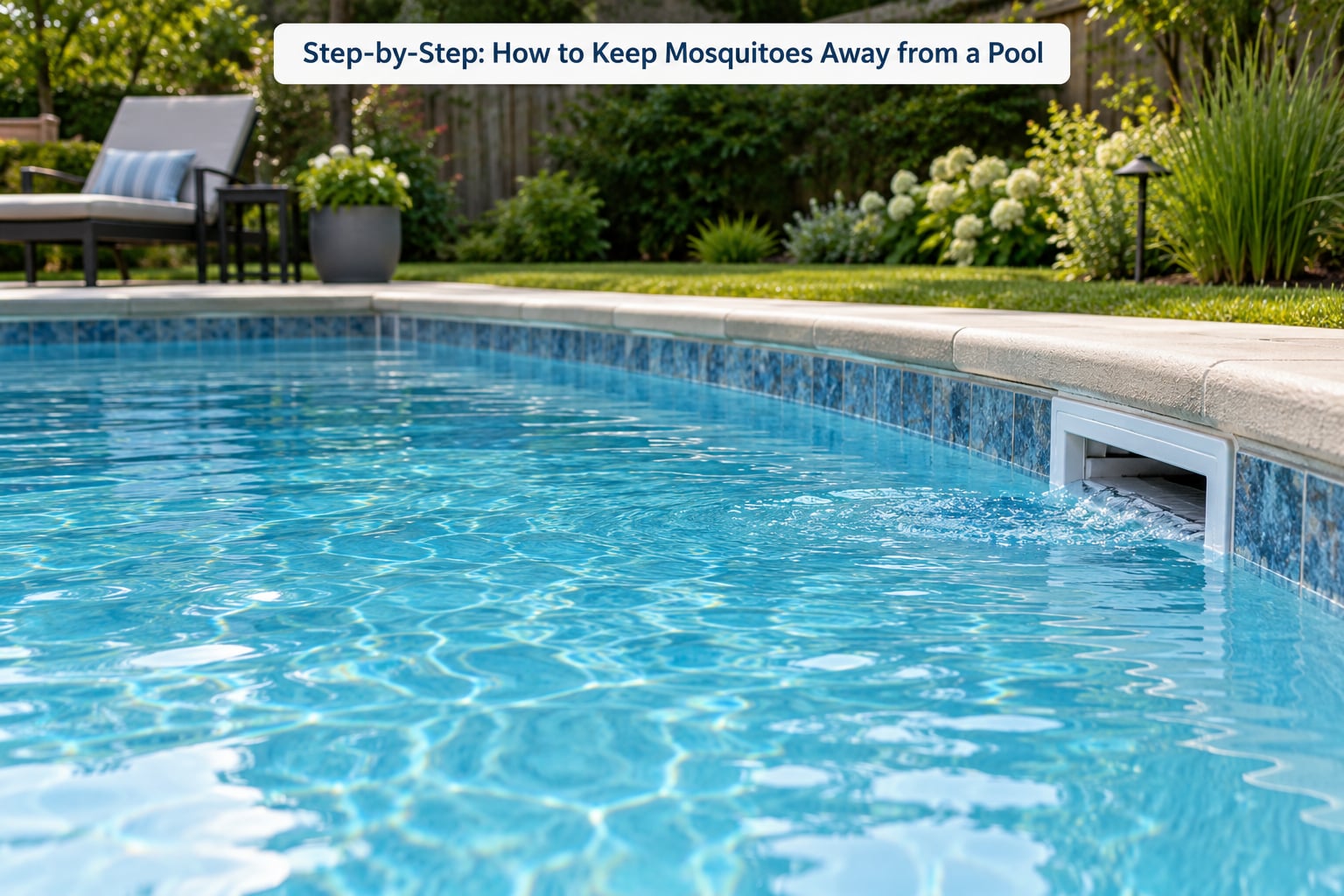
The order matters. Water control first, then surface control, then products last. If you reach for a spray before you have drained the buckets, you are treating symptoms.
1. Remove Standing Water and Clogs
Female mosquitoes lay eggs on the surface of standing water, and a larva needs that water to stay put to mature. That is the entire problem, and it is why the smallest puddles matter most. A container holding about the volume of a bottle cap is enough to support a full brood.
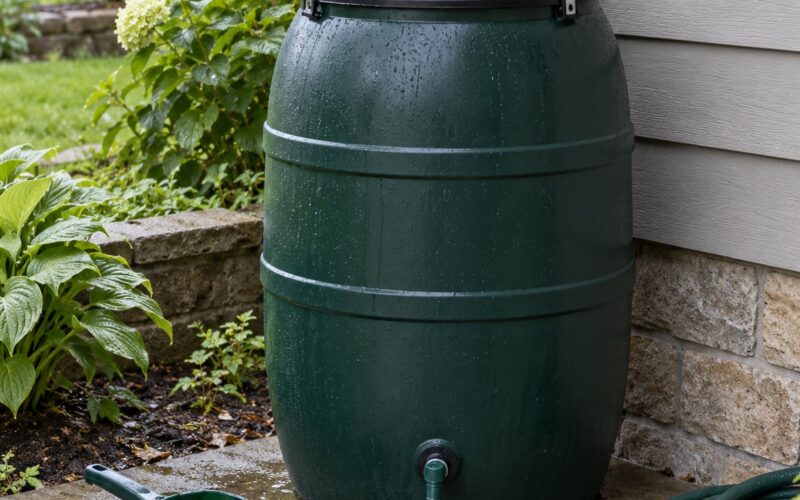
Walk the deck and check buckets, coolers, watering cans, flowerpot saucers, toys stored on the deck, and the filter housing lid. Turn every container upside down or store it off the ground. Then look at the ground: low spots in the deck, the splash zone between coping and water, and the seam where a slide or ladder meets the shell all hold water for days after one rain.
Clear gutters and downspouts on the house, the pool house and any fence line, and check that they drain away from the pool, not toward it.
2. Keep the Water Circulated and Filtered
Moving water does not support larvae. That is why a fountain or an aerated spa rarely produces mosquitoes while a quiet corner of the same yard does.
Run the pump on a schedule long enough to filter the whole pool at least once, which is usually a turnover figure stated in your equipment manual. Most residential setups land somewhere around eight to twelve hours a day across a few cycles, but your manual is the authority. Confirm the pump is actually running. A seized pump, a tripped breaker or a valve left closed after a repair will leave you chlorinating a still pond while the filter does nothing.
Follow the manufacturer’s instructions for filter cleaning and backwashing. Do not adjust chemical levels off the back of a label alone, and do not pour shock into the pool in a way that forces fumes toward the deck where people sit. Take readings with a test kit, not by guessing.
3. Clean the Pool and Pool Deck
Skim the surface at least every couple of days in warm weather, and empty the skimmer basket. Debris in a basket or on a deck drain is a small pond with a lid on it.
Brush the pool walls where buildup collects, particularly the waterline tile line, steps and corners, because a shaded protected shelf is exactly what a larva wants. Wipe down deck furniture legs that hold water underneath, and keep the deck itself draining. If puddles linger for more than a few hours after watering or rain, a broom and a squeegee move more water than anything you can buy.
Pay attention to where people sit. Outdoor sofas and mesh chairs catch water in their frames and stay wet long after the deck dries.
4. Cover the Pool When It Is Not in Use
A fitted cover blocks falling leaves, stops debris from settling and denies mosquitoes open water. An automatic safety cover does the same job while you are not even thinking about it, which is where most of the benefit comes from.
Here is the part people miss: rain pools on top of a cover and makes a warm, still, uncovered pond. Siphon off rainwater after every storm, or fit a cover pump with a drain panel so it never accumulates. Keep the cover itself free of leaves and grit so it seals properly when it is pulled across.
A loose tarp that dips into the water does the opposite of what you want. If the cover sags, weights, or holds a pool of water on top, fix the fit or stop using it until you can.
5. Use Mosquito Treatments and Personal Repellents Safely
Once water and surfaces are handled, products have a narrow job left. BTI dunks work on larvae, not on adult mosquitoes, and they only work where water cannot dry out quickly. Break larger dunks into smaller pieces for small containers, replace them on the label schedule, and use only products labeled for that water body. In a pool people swim in, choose a BTI product whose label permits it, and follow the label directions exactly. BTI degrades fairly quickly in sunlight, so re-dosing on schedule is what keeps it working.
Never add essential oils, citronella oil, dish soap, bleach or homemade mixes to swimming pool water. Some of these foam, some foul the water, and the label-free ones can irritate skin and eyes. Forum users report citronella and lemongrass plantings lowering mosquito numbers slightly, not stopping them, so treat planted areas as a bonus rather than a plan.
For your own skin, use an EPA-registered repellent and follow its label. Repellents are not meant to be applied under clothing or to young children’s hands, and swimming or sweating right after application reduces how long it works. A long-sleeve swim shirt and a schedule that avoids the highest activity window in your area will do more for you than any scented candle.
6. Maintain a Routine During Peak Mosquito Season
This is the checklist that keeps the work small. Run it weekly and again before any gathering.
- Test free chlorine and pH. A range of roughly 1 to 3 ppm free chlorine is the commonly cited working range for a maintained pool, and staying inside it matters more than hitting an exact number.
- Confirm the pump ran its cycles and the filter is clean.
- Empty the skimmer basket and sweep the deck low spots.
- Turn over or remove every container within a few steps of the pool.
- Check the cover for rainwater and leaf buildup.
- Look for larvae in the skimmer, waterline and any container. Skinny dark wigglers in the skimmer are the most common sighting owners report.
- Refill or re-dose BTI in fountains, spas and any water feature that holds water.
If the water is clean, the pump is running and the containers are empty and you still have mosquitoes every evening, the source is probably not your pool. Neighbors’ unmaintained pools, birdbaths, tires, blocked gutters and municipal green space produce most of what bites you. Talk to your local vector control district about a seasonal spray schedule, and keep your own property tight.
Common Mistakes
Leaving water in buckets, toys and cooler lids. This is the number one reason a clean pool still has mosquitoes. Empty them weekly, store them inverted, and rinse them out.
Using a cover that holds rainwater on top. The cover becomes the breeding site. Siphon after rain, add a drain pump, or replace a cover that no longer fits.
Trusting a citronella candle or planted lemongrass as the whole plan. Scented products lose effect in a breeze within minutes, and planting repels a little rather than a lot. Use them as a layer, not a solution.
Relying on a bug zapper. They attract a wide range of insects but kill very few mosquitoes, and the females biting you are the ones already fed and hunting for you.
Sliding a dryer sheet onto a surface and calling it repellent. The effect is short-lived and the evidence is weak. Spend that effort on water control instead.
Mixing products. Combining a larvicide, a surface treatment and an unlabelled oil is how people end up with a pool nobody can recommend. Use one labelled product at a time and read the label before every application.
Waiting for the season to start. Egg masses and larvae survive in containers long before you notice adults. Draining standing water once a week from the start of warm weather is the habit that does the work.
Swimming at dusk without any personal protection. That is peak activity time. Plan for a repellent and a cover-up, or shift the swim to midday on weekends.
Frequently Asked Questions
Can mosquitoes live in a swimming pool?
Rarely in properly treated water. A maintained pool usually holds free chlorine in a range of about 1 to 3 ppm, which mosquitoes avoid, and the pump keeps the water moving. Most eggs and larvae found around a pool sit in the skimmer, on the waterline, on the deck or in containers, not in the chlorinated water itself. That is why owners who chlorinate carefully still get bitten, and why the surrounding area is where the work is.
What can you put in pool water to keep mosquitoes away?
Only products whose label covers that use. BTI mosquito dunks, also called bits or granules, are the standard choice because they kill larvae and degrade quickly. Use them in fountains, spas and standing water, break them up for small containers, and re-dose on the label schedule. Do not add essential oils, citronella oil, bleach or homemade mixtures to water people swim in, even in small amounts.
Will a pool cover actually stop mosquitoes?
It helps, but only if it works properly. A fitted cover removes open water from view, blocks falling debris and keeps leaves out of the water. The catch is rainwater. Rain pools on top of a cover and turns it into a warm, still breeding site, so siphon it off after every storm or fit a cover drain pump. A sagging or leaking cover gives you the worst of both, so check the fit before peak season.
Can mosquitoes lay eggs in moving water?
They avoid it, which is why an aerated spa, fountain or wiggler rarely produces larvae. Females lay eggs on still surfaces and larvae need calm water to feed and mature. That said, a pump that runs part of the day leaves still pockets at the steps, in corners and in the skimmer during the off cycle. Keep the water moving as much as practical and treat the quiet spots separately.
Do dryer sheets repel mosquitoes?
Barely, and not for long. The effect people notice is faint and fades within minutes, especially outdoors where any breeze carries the scent away. It is not registered as a repellent and there is no reliable protection for an evening on the deck. Draining standing water, running the pump and using an EPA-registered repellent on your skin are the steps that change the number of bites.
What can I put in a fountain to keep mosquitoes out?
Give the water permanent movement first. A fountain pump, aerator or water wiggler that runs continuously removes the still surface females look for. Then add BTI mosquito dunks sized for the basin and re-dose them on the label schedule, since sunlight breaks the bacteria down within weeks. Scrub the basin of algae and debris at the same time, because a fountain with a dirty filter circulates poorly and drains badly.
Start this week, not next season. Empty every container within a few steps of the pool, confirm the pump is running its cycles, and test the chlorine. Those three things take under an hour and settle the majority of the problem. Everything else, covers, dunks, repellents, is a layer on top of a pool you have already taken the water out of.