To protect a dog from mosquitoes, layer three things: a veterinarian-recommended preventative applied on schedule, a dog-safe repellent spray before outings, and environmental control that removes standing water around the yard. Most bites happen near water, at dawn and dusk, and on thin-coated or short-haired dogs. Nothing blocks every bite, so medication is your real line of defence.
Whole setup takes about 20 minutes the first week and a few minutes a week after that. The habit people skip is the post-outing check, which is the one that tells you early that something is going wrong.
Table of Contents
- What You Need
- Step-by-Step: How to Protect a Dog from Mosquitoes
- Frequently Asked Questions
- Can I use human mosquito repellent on my dog?
- What is the safest mosquito prevention for dogs?
- How often should I reapply mosquito medicine to my dog?
- What should I do if my dog is bitten by a mosquito?
- Does mosquito prevention also protect my dog from heartworm disease?
- When should I call a veterinarian after a mosquito bite?
- Conclusion
What You Need
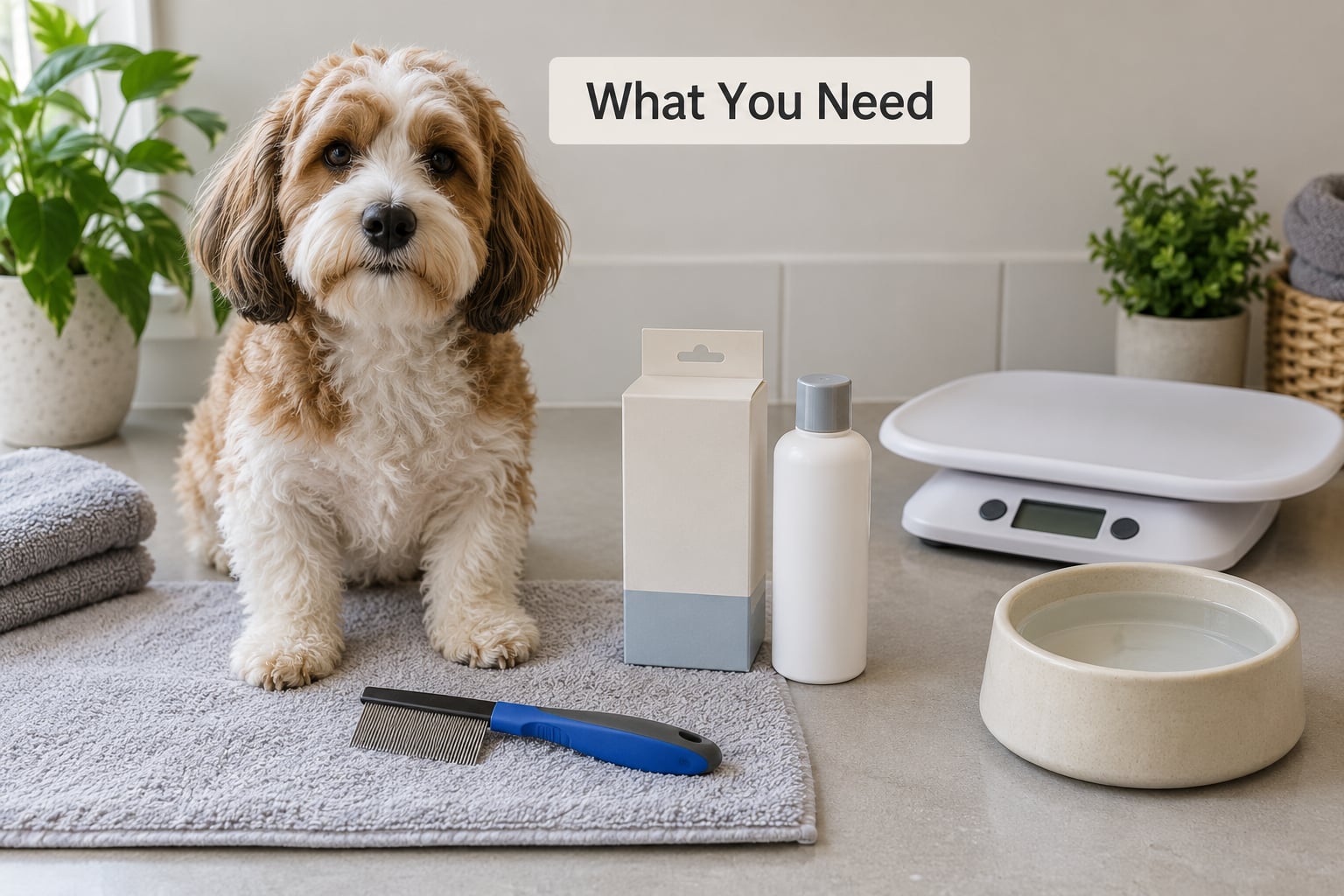
You do not need much to start. You need the right product, accurate weight, and the label it came in.
- A veterinarian-recommended mosquito product for your dog’s size, age and health. Prescription preventatives and over-the-counter options work differently, so pick with your vet, not off a shelf.
- Your dog’s current weight. Dosing bands are weight-based, and a dog that gains 10 pounds may need a different band entirely.
- A flea comb or tick tool. Fine teeth catch raised welts and scabs in the thin skin around the belly and ears.
- The product label or packaging insert. You will check the active ingredient, age minimum, application site and reapplication interval before every use.
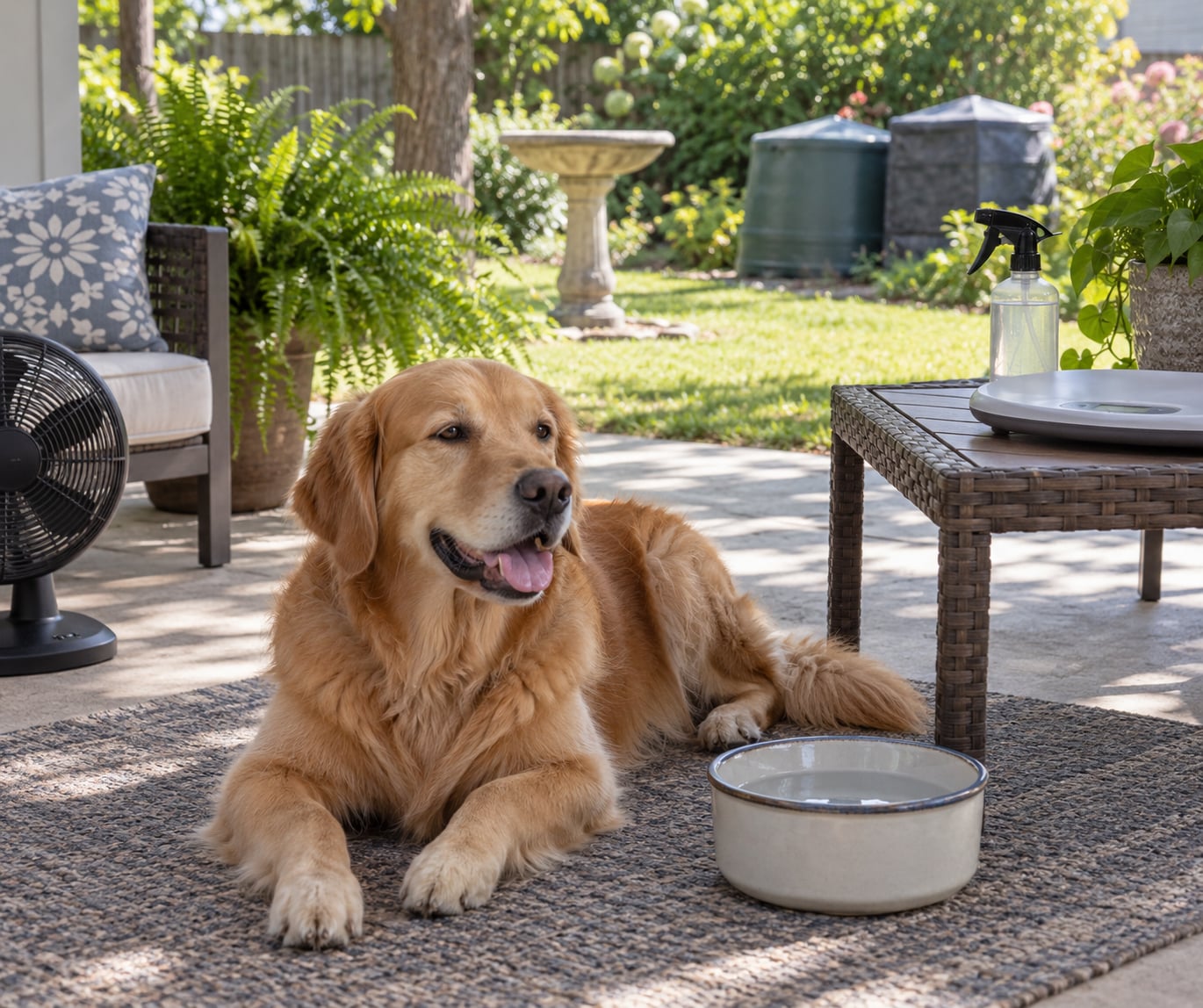
- Shade or ventilation for outdoor breaks. Fans and shade cut how long your dog sits in peak mosquito activity.
- A phone with your vet’s number saved for anything that looks like a reaction.
Step-by-Step: How to Protect a Dog from Mosquitoes
1. Ask Your Veterinarian About Dog-Safe Mosquito Prevention
Start with a conversation, not a product search. Tell your vet the dog’s age, weight, whether the dog is a puppy, your region, and whether you camp, hike or travel.
Age matters more than most people expect. Several spot-on products carry a minimum age, often somewhere around eight to twelve weeks, and many are labelled for dogs over a certain weight only.
Ask about heartworm prevention specifically. Heartworm is transmitted by mosquito bite, and your vet can tell you whether your area tests for it and what the local transmission pattern looks like this year.
One rule to carry out of the appointment: never apply a human insect repellent to your dog, including any product containing DEET, unless a veterinarian tells you to do it for that specific dog.
2. Apply the Product Exactly as Its Label Says
Labels are not fine print. Read six things every time you apply: the active ingredient, the expiration date, which species it is tested on, the age and weight restrictions, the application site, and the reapplication interval.
Apply to the site the label names. Many are placed between the shoulder blades where the dog cannot reach it, which is why grooming afterward matters.
Watch for licking. A dog that reaches a fresh application can swallow a dose that was meant to stay on the coat, and a collar is a simple physical barrier while the product dries.
Keep products away from eyes and mouth. If your dog shakes or sprays the mist, wait for the coat to dry before letting them near furniture or bedding.
Write the next application date down. Most monthly preventatives lose protection when a dose is late by weeks, and owners rarely notice the gap in the moment.
3. Reduce Mosquitoes Around the Home and Yard
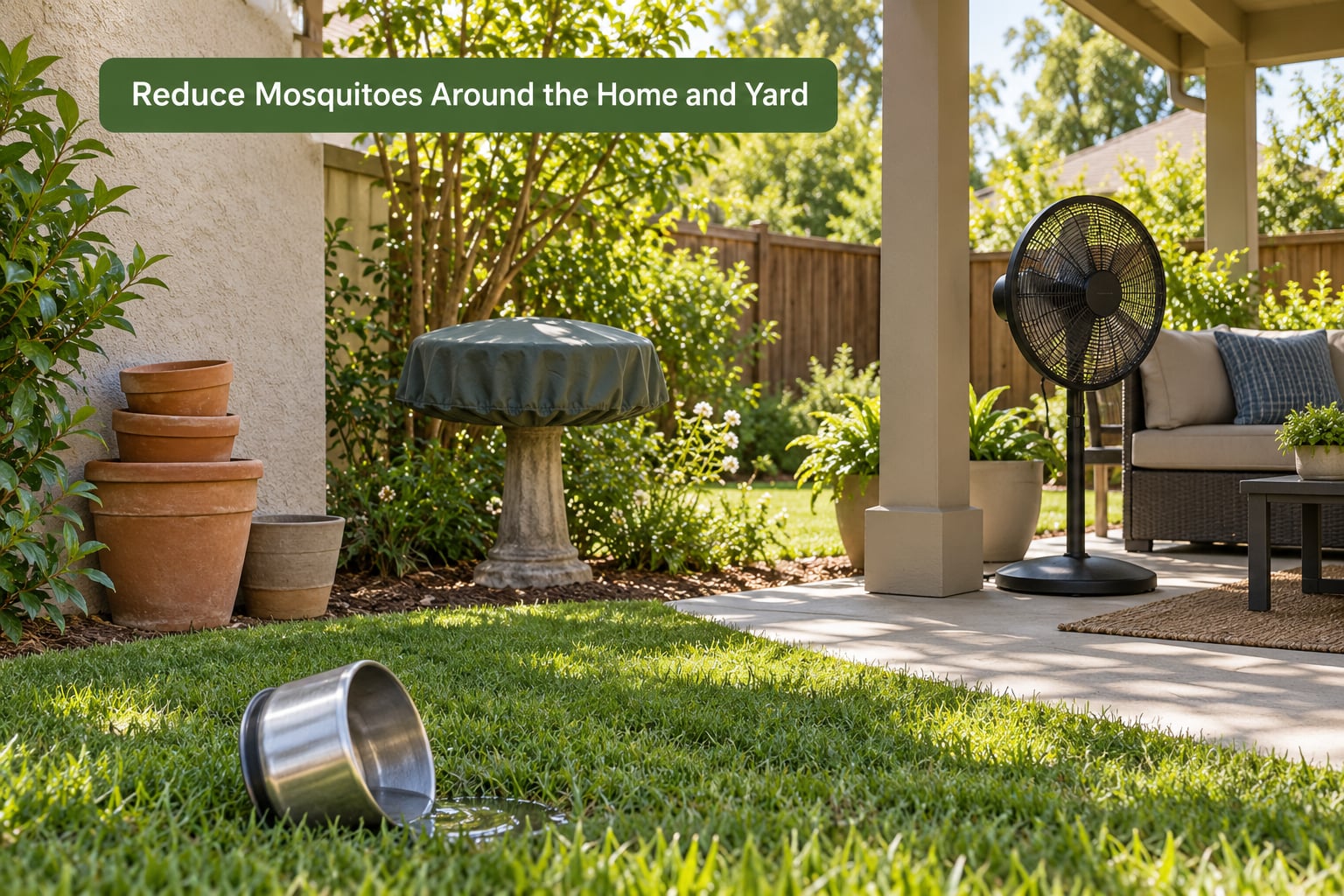
Environmental control does not replace a veterinarian-approved product, but it lowers how many bites your dog is offered in the first place.
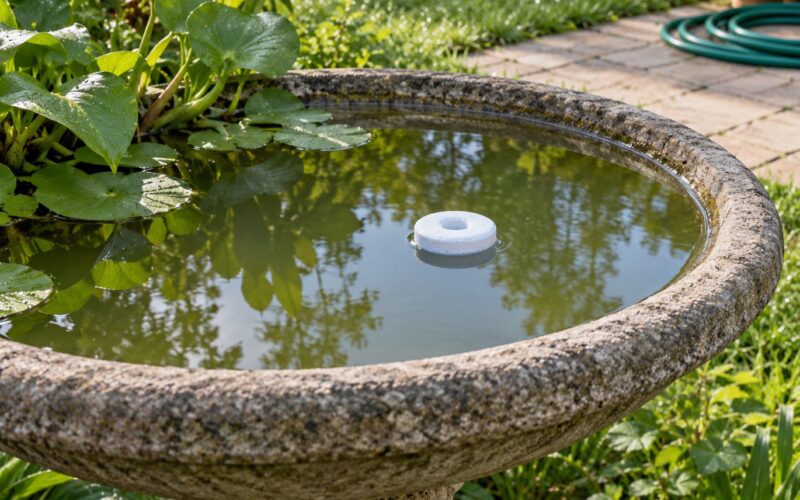
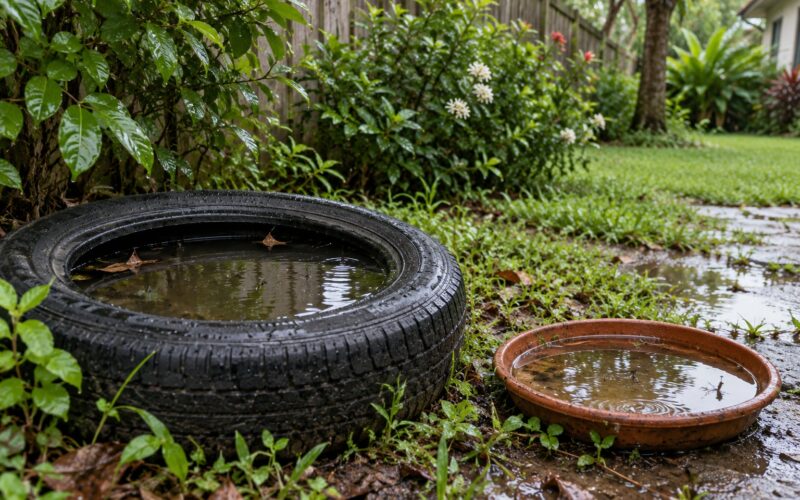
- Empty standing water weekly. Dog bowls, flowerpot saucers, bird baths, gutters, blocked drains, wading pools and tarps all hold enough water for eggs.
- Refresh drinking bowls daily and scrub them, since biofilm on the surface can attract mosquitoes.
- Cover containers with tight lids, or turn them upside down.
- Unclog gutters and drains before the season starts rather than during a wet week.
- Trim vegetation back from fence lines and walls where adult mosquitoes rest during the day.
- Check window and door screens for gaps, and keep doors shut during peak hours.
Time outdoor breaks away from dawn and dusk, when most species are most active. Midday shade, a fan, or an early evening walk cuts exposure without shortening the dog’s day.
4. Check the Dog After Outdoor Time
Run your hands over the exposed skin every time the dog comes inside from a walk, yard time or a trip. Mosquitoes target thin, short-haired skin, so check the belly, inner thighs, ears, muzzle and between the toes.
Look for small red raised bumps, a patch of irritated skin, hair loss, scabs, or a spot the dog keeps licking. A fresh welt is usually a small firm bump that fades over a few days.
Photograph anything that changes. A before-and-after shot with dates tells your vet far more in ten seconds than a description does, and it settles the question of whether a reaction is spreading.
For short-haired and hairless breeds, check more often and check more thoroughly. Their skin has less buffer than a double coat does.
5. Respond Safely to a Mosquito Bite
If you see a bite, the first move is to get the dog away from mosquitoes and stop any further exposure. Move indoors, or to a screened and shaded area.
Gently clean the area with plain water and mild soap, then pat it dry. No scrubbing and no harsh wipes.
Stop licking and scratching. A cone for a few hours helps, and a distraction such as a chew or a meal buys more time than a cone alone if your dog is the type to fuss.
Do not apply unprescribed medication, and do not reach for human topical products. Neither has a place on a dog’s skin without veterinary direction.
Know the difference between a normal welt and a hive. A single small bump that settles in a day or two is routine. Raised ridges or patches that appear elsewhere on the body, or swelling that grows over hours, are not.
6. Watch for Warning Signs and Keep a Prevention Record
Contact a veterinarian promptly if you see facial swelling, hives, repeated vomiting, difficulty breathing, extreme weakness, or irritation that spreads quickly across the body.
Difficulty breathing and facial swelling are the emergency tier. Treat any of those as urgent and call ahead rather than waiting.
Keep a simple record: product name, application date, weight at the time, and the next date due. A phone calendar with two reminders, one week out and one day before, is enough.
Records prevent accidental double dosing, which happens most often when two family members each think the other applied the monthly dose.
If your dog swims, is bathed or gets soaked in rain shortly after application, check the label for how water-resistant the product is, and reapply early if it directs you to. Owners hiking all day often reapply on a schedule rather than guessing.
Common Mistakes
Using human bug spray on a dog. Human repellents are not formulated or tested for dogs, and DEET products have been associated with skin irritation and, at concentrated exposure, nervous system effects in pets. The fix is simple: use a product labelled for your dog’s species, or ask your vet what to use instead.
Applying more product than the label directs. Extra liquid does not mean extra protection; it means more that your dog can lick off. Dose by the weight band and no higher.
Skipping the age and weight restrictions. A puppy can be under the minimum age for several common preventatives. Check the label every time a new box arrives rather than assuming the last one applied the same way.
Assuming indoor dogs are safe. Mosquitoes come in through open doors, and pets go in and out of pet doors. Indoor dogs still meet mosquitoes at the edge of the yard and on evening walks.
Leaving outdoor time at peak hours. Shifting walks away from dawn and dusk is the cheapest change in the whole routine.
Waiting on water control until mosquitoes are already active. The weekly ten-minute sweep works far better once mosquito season has started than before.
Repeating every remedy by name. Garlic, citronella, essential oils and homemade mixtures get passed around online with big claims. The reliable layer is a veterinary product used correctly, plus water control. Ask your vet about anything else before you apply it to your dog.
Frequently Asked Questions
Can I use human mosquito repellent on my dog?
Generally no. Human repellents, especially anything containing DEET, are not tested or labelled for dogs and can cause skin irritation, vomiting, or nervous system effects if licked. Use a product labelled for your dog’s species and weight, or ask your veterinarian for a recommendation. The exception is a specific case where a vet tells you otherwise.
What is the safest mosquito prevention for dogs?
The safest option is a veterinarian-recommended preventative matched to your dog’s age, weight and health, used exactly as its label directs. Many are dosed by weight and carry a minimum age. Keep heartworm medication on schedule as well, since it protects against the disease mosquitoes transmit even when bites still happen.
How often should I reapply mosquito medicine to my dog?
It depends on the product. Monthly preventatives are reapplied on the same date each month, while sprays are reapplied according to their own label, often every few hours outdoors. Read the reapplication interval on your specific product rather than assuming. After a swim or heavy rain, check whether the label calls for early reapplication.
What should I do if my dog is bitten by a mosquito?
Move the dog away from mosquitoes, clean the area gently with plain water and mild soap, and stop licking and scratching for a few hours. Most bites settle into a small welt within a day or two. Watch for swelling that spreads, hives, vomiting, or difficulty breathing, and contact your veterinarian if you see any of those.
Does mosquito prevention also protect my dog from heartworm disease?
Heartworm protection and bite prevention are related but not identical. Heartworm prevention works by killing developing larvae in the bloodstream, so regular monthly medication is what reduces heartworm risk. Repellents only reduce how many bites occur. Your veterinarian can tell you what your area tests for and when to start and stop the seasonal regimen.
When should I call a veterinarian after a mosquito bite?
Call promptly for facial swelling, hives, repeated vomiting, difficulty breathing, extreme weakness, or irritation that spreads rapidly. Difficulty breathing and facial swelling are urgent, so call ahead and go in rather than waiting. For a minor welt that is not improving after a couple of days, book a regular appointment so the cause can be identified.
Conclusion
Start by booking the vet appointment and matching a preventative to your dog’s age, weight and health. Apply it exactly as the label directs, log the next date, empty standing water once a week, and run your hands over your dog’s skin every time they come inside.
This is general guidance, not a substitute for an individual veterinary consultation. Your vet can tell you what your region actually carries and what fits your dog.
Last updated October 2026.